Tracing Interlinked Eligibility Thresholds Across UK Gaming Verticals
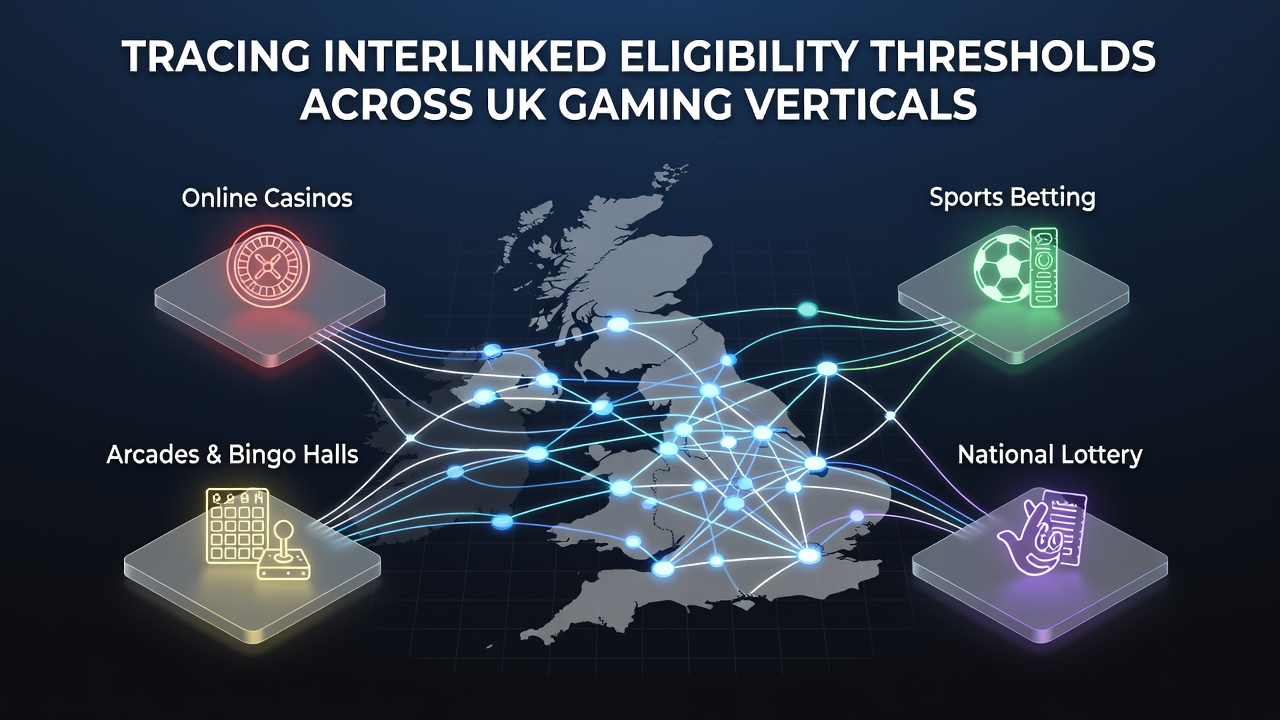
Eligibility thresholds in UK gaming operate as connected systems where requirements established in one vertical often determine access and conditions in others, and observers note that these linkages have grown more pronounced through platform integrations and shared compliance frameworks. Data from industry reports indicate that deposit minimums, identity verification levels, and activity benchmarks frequently transfer across casino slots, sports betting markets, and poker tables, creating pathways that players must navigate sequentially or simultaneously.
Core Thresholds in Individual Verticals
Casino operators set baseline criteria around initial deposits and wagering multiples that directly feed into eligibility for subsequent offers, while sportsbooks layer location-based restrictions and stake limits that reference the same user profiles. Poker rooms apply hand-volume requirements and tournament entry standards that align with account history accumulated elsewhere on the same platform. These individual structures rarely stand alone because operators maintain unified player accounts that carry forward verification status and spend data.
Cross-Vertical Linkages and Data Flows
Platform operators connect these thresholds through centralized systems that track cumulative activity, so meeting a deposit requirement in slots can unlock reduced wagering multiples for sports accumulators or poker satellite entries. Research from the European Gaming and Betting Association shows that shared loyalty tiers now govern access across multiple product types, with progression in one area accelerating qualification in others. Account age, total deposits, and loss recovery metrics serve as common triggers that platforms apply uniformly rather than in isolation.
June 2026 updates to operator compliance protocols have further tightened these connections, with several major sites implementing real-time threshold syncing that prevents players from resetting eligibility counters by switching between verticals. Figures from the American Gaming Association reveal parallel trends in multi-product environments where unified KYC processes reduce duplicate checks but also consolidate the impact of any single restriction across all offerings.
Verification and Activity Benchmarks
Identity verification levels established at signup carry forward to determine maximum stake permissions in sports and entry into higher-stakes poker events, while ongoing activity thresholds such as minimum bets placed within set periods maintain eligibility status across categories. Observers tracking these patterns note that failure to sustain required volumes in one vertical can trigger temporary holds that affect bonus access everywhere else on the platform. Industry analyses document how these mechanisms create sequential dependencies rather than independent qualification routes.
Regional and Platform Variations
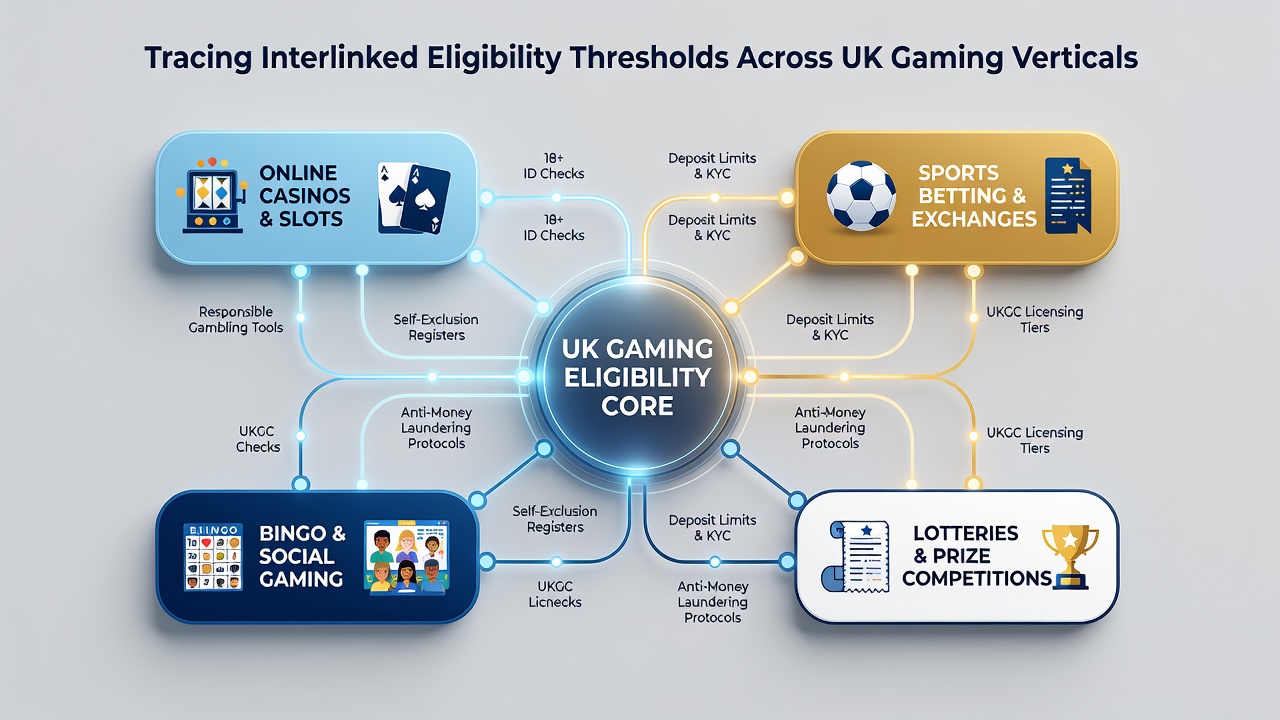
Different operators apply varying degrees of linkage, with some maintaining strict separation between vertical-specific requirements and others enforcing full integration. Data indicates that sites offering combined casino, sports, and poker products tend toward higher interconnection, whereas standalone vertical providers allow more independent progression. June 2026 has seen increased standardization in how thresholds reference external data sources such as payment history and device fingerprints, further embedding cross-vertical effects.
Conclusion
Tracing these interlinked eligibility thresholds reveals a structured network where actions and compliance in any single gaming vertical influence opportunities across the broader ecosystem. Platform design choices, regulatory alignment, and shared data practices continue to shape how these connections evolve, with current patterns pointing toward greater consolidation rather than fragmentation in the months ahead.