The Ripple Effects of Initial Free Play Opportunities on Long-Term User Retention in UK Gaming Apps
Frankie Franke · Aug 23, 2026
The Ripple Effects of Initial Free Play Opportunities on Long-Term User Retention in UK Gaming Apps
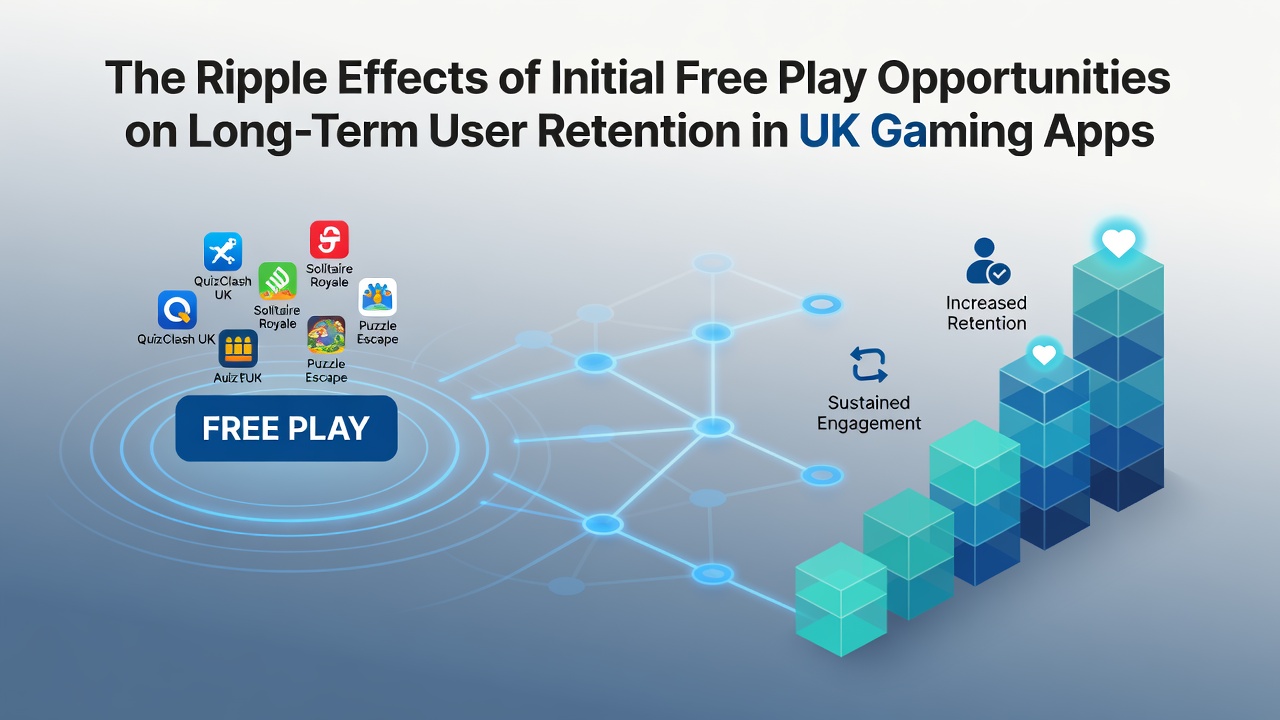
Initial free play features in UK gaming apps create entry points that extend their influence across multiple stages of user activity, with engagement patterns documented in industry reports showing measurable shifts in return rates weeks and months after the first session. Observers note that these opportunities, often delivered as limited-time trials or demo modes within mobile platforms, connect directly to sustained interaction levels because they reduce early barriers while introducing core mechanics that encourage repeated visits. Data from app analytics platforms indicates that users exposed to such features exhibit higher session frequencies during the initial 14 days, and this momentum carries forward when game design aligns with those early experiences.
Short-Term Engagement Patterns Following Free Play Access
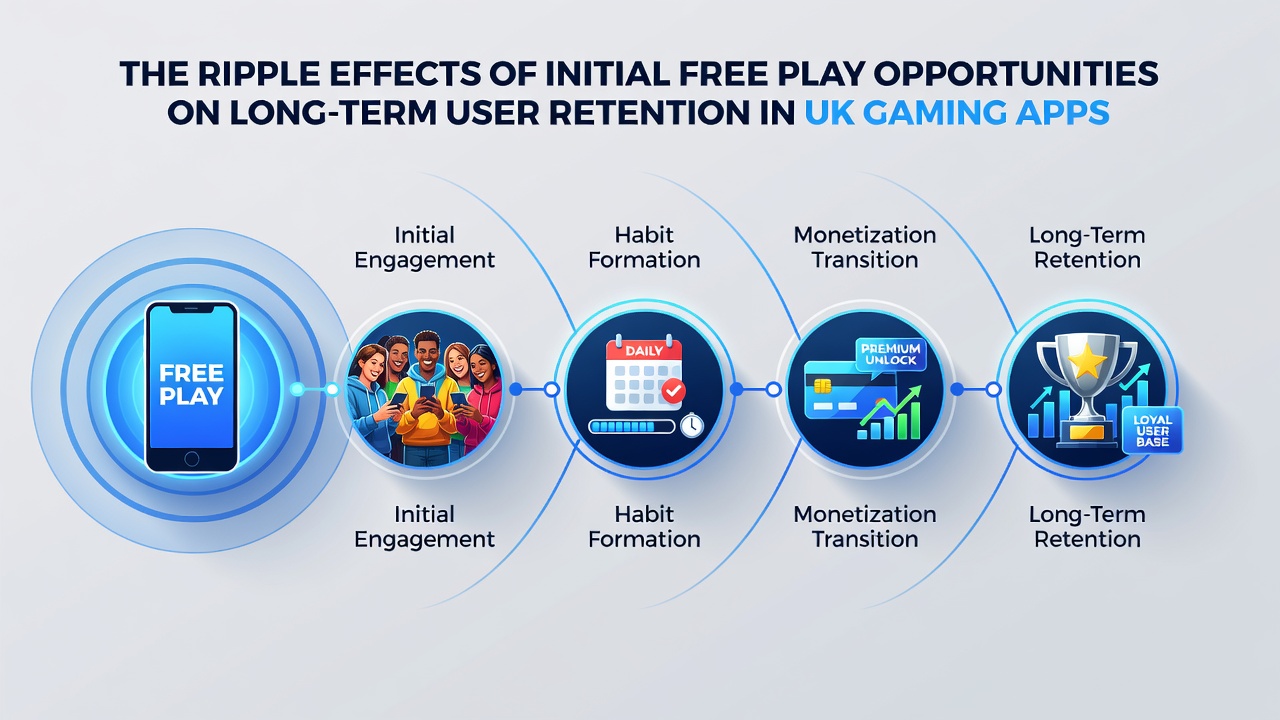
Users who begin with free play options tend to explore additional game modes more readily than those who encounter paywalls immediately, according to metrics compiled across multiple UK-based app providers. This phase often lasts between three and seven days, during which in-app tutorials and reward loops reinforce habits that later support ongoing participation. Research from academic sources highlights that structured free play sequences help establish muscle memory for controls and betting interfaces, which in turn reduces drop-off rates during the transition to real-money play. Those who've tracked cohort behavior observe that the presence of clear progression systems after the free period correlates with elevated day-seven retention figures across sports betting and casino-style titles alike.
Medium-Term Shifts in User Activity Levels
By the 30-day mark, the effects of initial free play become visible in how frequently players return and how much time they allocate per session. Figures from European market analyses reveal that apps incorporating timed free play windows see measurable upticks in cross-category exploration, where users move from one vertical to another without external prompts. This transition phase matters because it sets the stage for habit formation that extends beyond novelty, particularly when push notifications and personalized challenges build on the foundation laid during the first interactions. Experts have observed that retention curves flatten less steeply in cohorts that received meaningful free play compared with control groups that started without such incentives.
Long-Term Retention Dynamics and Ripple Effects
Over six months or longer, the influence of early free play manifests in loyalty indicators such as consistent weekly logins and participation in seasonal events or tournaments. Industry data compiled through August 2026 shows that apps emphasizing seamless onboarding via free trials maintain steadier user bases during periods of market saturation, when competing platforms vie for the same audience. The ripple extends further when users who began with free access later engage social features or invite contacts, creating secondary acquisition channels that compound original retention gains. According to a report published by the European Gaming and Betting Association, structured free play pathways contribute to reduced churn when paired with transparent progression mechanics that reward continued activity.
Influencing Variables Across Different App Categories
Game type plays a significant role in how strongly initial free play translates into sustained retention, with slot-style titles often showing quicker uptake yet faster fatigue compared with strategy-oriented sports or poker applications. Platform-specific elements such as notification cadence, reward frequency, and device compatibility further modulate outcomes, as documented in comparative studies covering UK and international markets. Observers point out that apps delivering free play through progressive challenges rather than one-time grants tend to generate longer engagement tails because they maintain momentum across multiple sessions. Geographic and demographic factors also surface in the data, where younger cohorts respond more strongly to social integration features that build upon early free access.
Evidence from Broader Industry Research
Comparative analyses conducted by research institutions outside the UK provide additional context on retention patterns tied to introductory incentives. A study released by the University of Nevada, Las Vegas International Gaming Institute examined similar mechanisms in North American markets and found parallel trends where early trial access improved six-month retention when supported by ongoing content updates. These findings align with observations from Australian regulatory reviews that tracked app-based gaming cohorts over multi-quarter periods, noting that free play served as a predictor of lifetime value when combined with responsible play tools. Such cross-regional data underscores the structural nature of these effects rather than isolated regional quirks.
Conclusion
The documented patterns demonstrate that initial free play opportunities in UK gaming apps initiate sequences of user behavior with lasting implications for retention metrics. Short-term engagement feeds into medium-term habit formation, while long-term loyalty depends on how well subsequent features build upon those foundations. As app ecosystems continue evolving through 2026 and beyond, the measurable connections between early access mechanics and sustained activity remain central to understanding user trajectories across the sector.