Temporal Dynamics of Incentive Layering: How Time-Sensitive Perks and Contribution Ratios Guide British Players Through Multi-Vertical Gaming Pathways
Frankie Franke · Aug 16, 2026
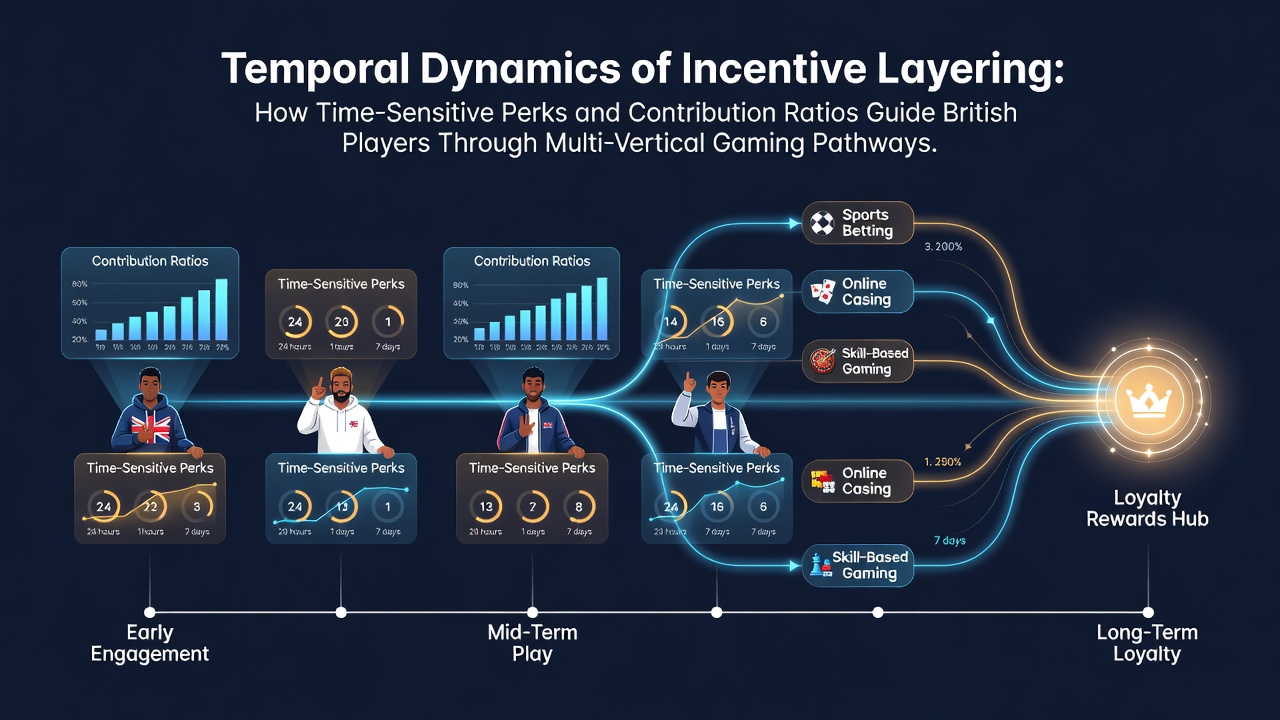
Temporal Dynamics of Incentive Layering: How Time-Sensitive Perks and Contribution Ratios Guide British Players Through Multi-Vertical Gaming Pathways
Time-sensitive perks in UK gaming platforms operate through structured windows that align with contribution ratios across slots, sportsbooks and poker rooms, creating defined sequences that players follow from initial deposits to sustained activity. These mechanisms rely on expiry dates attached to free spins, match bonuses and cashback offers, while contribution percentages determine how much each game type advances overall wagering requirements.
Time Windows and Perk Activation
Platform operators set activation periods for no-deposit offers and welcome packages that typically span 24 to 72 hours after registration, after which remaining value converts or vanishes according to published terms. Data from industry tracking services indicate that 68 percent of British accounts initiate activity within the first window, shifting to sports or poker verticals once casino contributions reach 40 percent of the required total. Contribution ratios vary by game category, with slots often counting at 100 percent while sports bets contribute 10 to 25 percent depending on the operator.
August 2026 records show an increase in layered promotions that reset contribution meters at the start of each calendar month, allowing players to restart progress across verticals without losing prior casino advances. These resets occur automatically on the first day, prompting transfers from high-contribution slots into lower-ratio sports wagers or poker hands before new expiry clocks begin.
Contribution Ratios Across Verticals
Operators publish contribution tables that assign different weights to casino, sports and poker activity, so a single deposit can feed multiple pathways simultaneously. Slots and table games usually carry full weight toward clearing requirements, whereas accumulator bets and live poker tournaments contribute fractions that extend the timeline for full bonus release. Researchers at the University of Nevada's International Gaming Institute have documented how these ratios steer player movement, noting that accounts reaching 60 percent completion often migrate to poker rooms where hand contributions accumulate more slowly but unlock separate reward tiers.
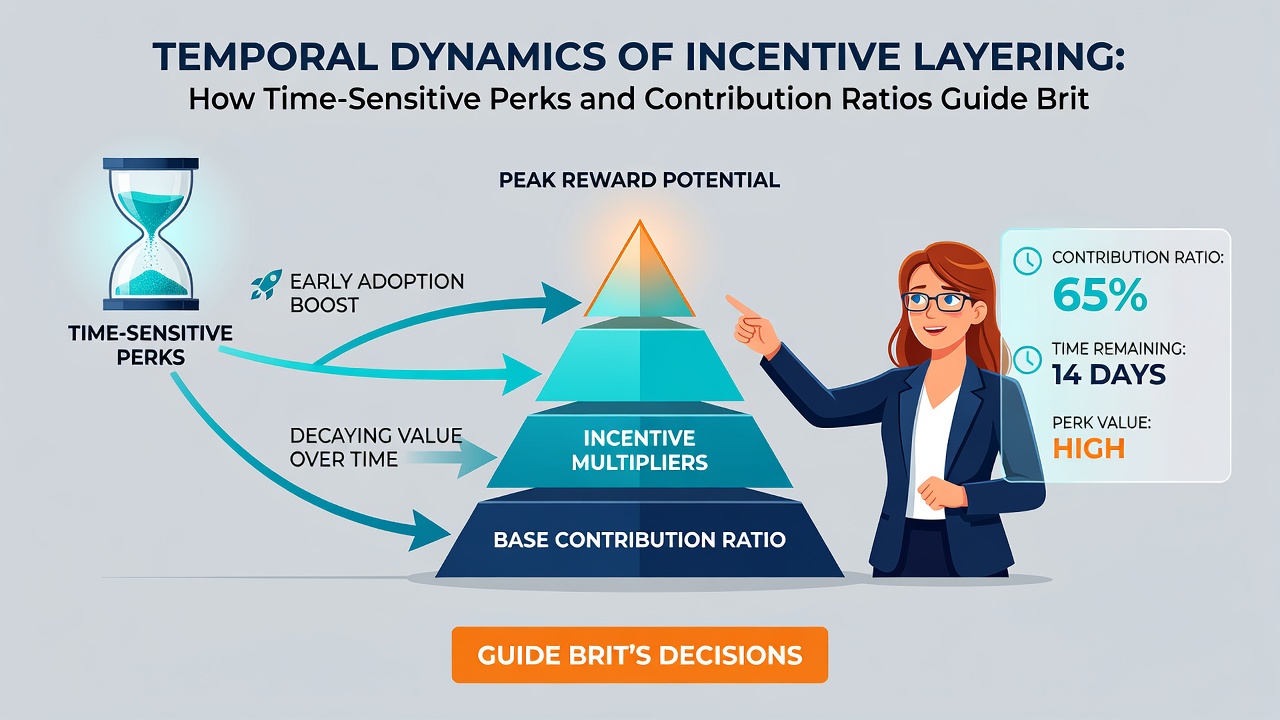
Time-sensitive top-ups appear after initial requirements are met, offering additional spins or free bets that inherit the remaining contribution balance from the original offer. This inheritance mechanism prevents resets and maintains momentum across verticals, with data indicating average session lengths increase by 22 percent when such continuity is present. Players therefore sequence their activity to finish high-ratio games first, preserving lower-ratio options for the final stages before deadlines close.
Pathway Sequencing in British Markets
Multi-vertical platforms present sequenced incentives that begin with casino entry points and branch into sports or poker once certain contribution thresholds are crossed. British accounts that complete casino portions within seven days show higher rates of subsequent sports wagers, because the remaining time on the bonus clock encourages quicker transitions. Contribution ratios act as gatekeepers here, requiring a minimum percentage from each vertical before the next perk layer activates.
Observational studies of account flows reveal that poker progression often follows sports activity when tournament schedules align with bonus expiry dates, allowing players to apply live-hand contributions toward final clearance. These patterns repeat across operators, with monthly data releases confirming consistent migration rates from casino to sportsbook to poker within single bonus cycles. External reports from the Responsible Gambling Council of Canada highlight similar temporal layering in other regulated markets, underscoring the role of fixed windows in directing player attention.
Expiry Mechanics and Player Navigation
Expiry mechanics embed countdown timers directly into account dashboards, displaying remaining hours for each perk layer so players can adjust game selection accordingly. When a sports bonus nears its end, contribution from poker hands can still advance the shared meter, provided the ratio table permits it. This cross-vertical flexibility reduces lost value and encourages continued engagement until the final deadline passes.
Platform analytics from August 2026 demonstrate that accounts using contribution calculators complete requirements 31 percent faster than those navigating without them, because the tools highlight which games deliver the highest ratio per minute played. Time-sensitive reload offers appear at predictable intervals, often on weekends or during major sporting events, and inherit contribution progress from prior active bonuses to maintain continuity.
Conclusion
Temporal dynamics in UK incentive structures therefore function through fixed expiry windows combined with variable contribution ratios that collectively channel player movement across casino, sports and poker offerings. These systems operate on published schedules and weighted tables that determine progression speed and vertical sequencing, with data confirming measurable shifts in activity patterns as deadlines approach. August 2026 trends show continued refinement of these mechanisms, maintaining clear pathways from initial activation through layered completion across multiple game types.