Seasonal Incentive Cycles Shape Retention Metrics Across Britain's Multi-Platform Gaming Environments
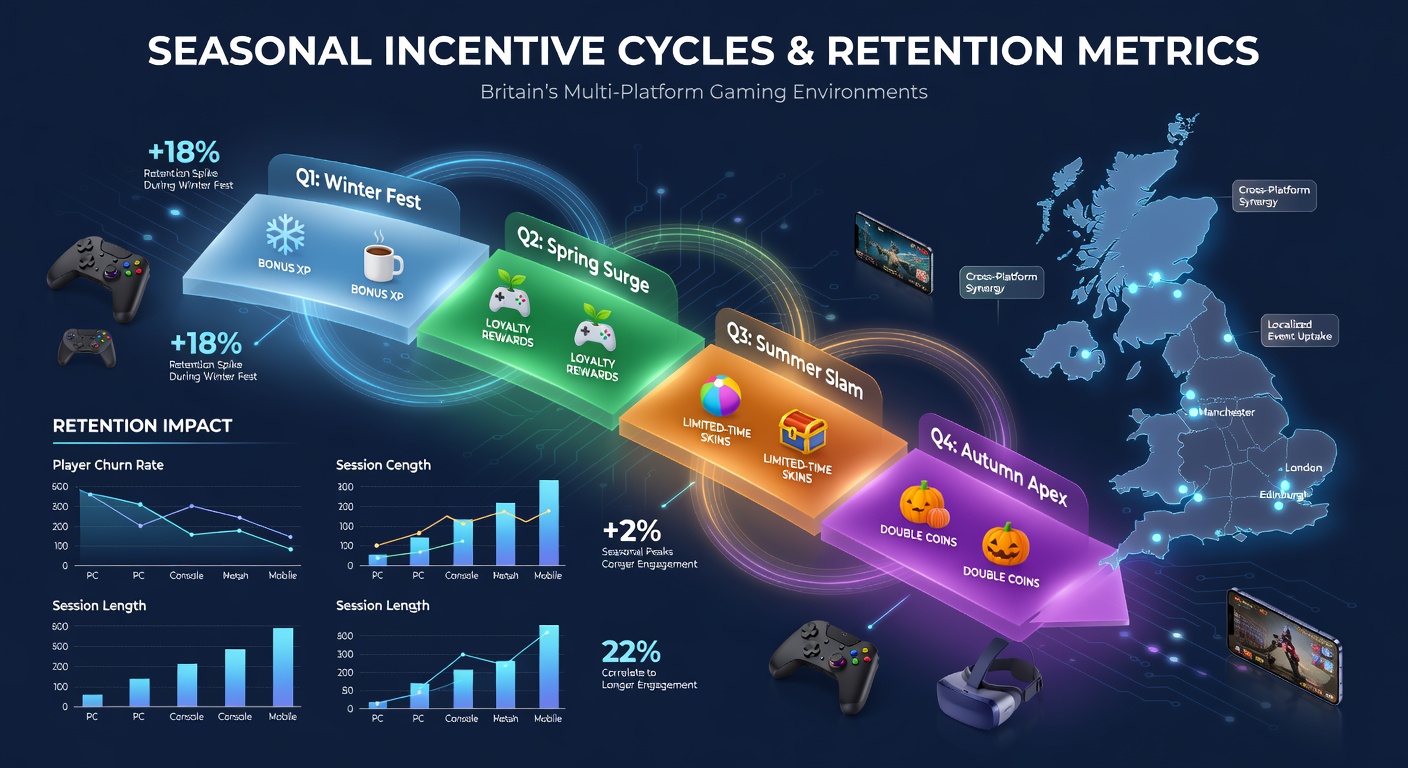
Seasonal incentive cycles operate as recurring patterns of promotions timed to holidays, weather shifts, and sporting calendars, and these cycles directly influence retention metrics such as monthly active users, session frequency, and churn rates within Britain's interconnected casino, sportsbook, and poker platforms. Operators adjust bonus structures, deposit matches, and loyalty rewards to align with peak periods like summer festivals or end-of-year events, while data collected from multi-platform environments shows measurable shifts in how players maintain engagement across devices.
Defining Seasonal Incentive Structures in UK Gaming
British gaming sites coordinate incentive releases around predictable external triggers, and this coordination creates cycles where no-deposit offers expand during slower months while high-value reload bonuses cluster around major football tournaments or festive seasons. Researchers tracking platform analytics note that retention improves when incentives layer across verticals, allowing a single account to move from slots into sports wagers or poker tournaments without resetting progress toward tiered rewards.
Multi-platform environments amplify these effects because players access the same loyalty balance on mobile apps, desktop clients, and in-browser sessions, and operators use unified tracking systems to deliver personalized triggers based on prior activity. Evidence from industry reports indicates that coordinated seasonal pushes reduce drop-off rates by sustaining momentum through transitional periods between major events.
Measured Effects on Retention Metrics
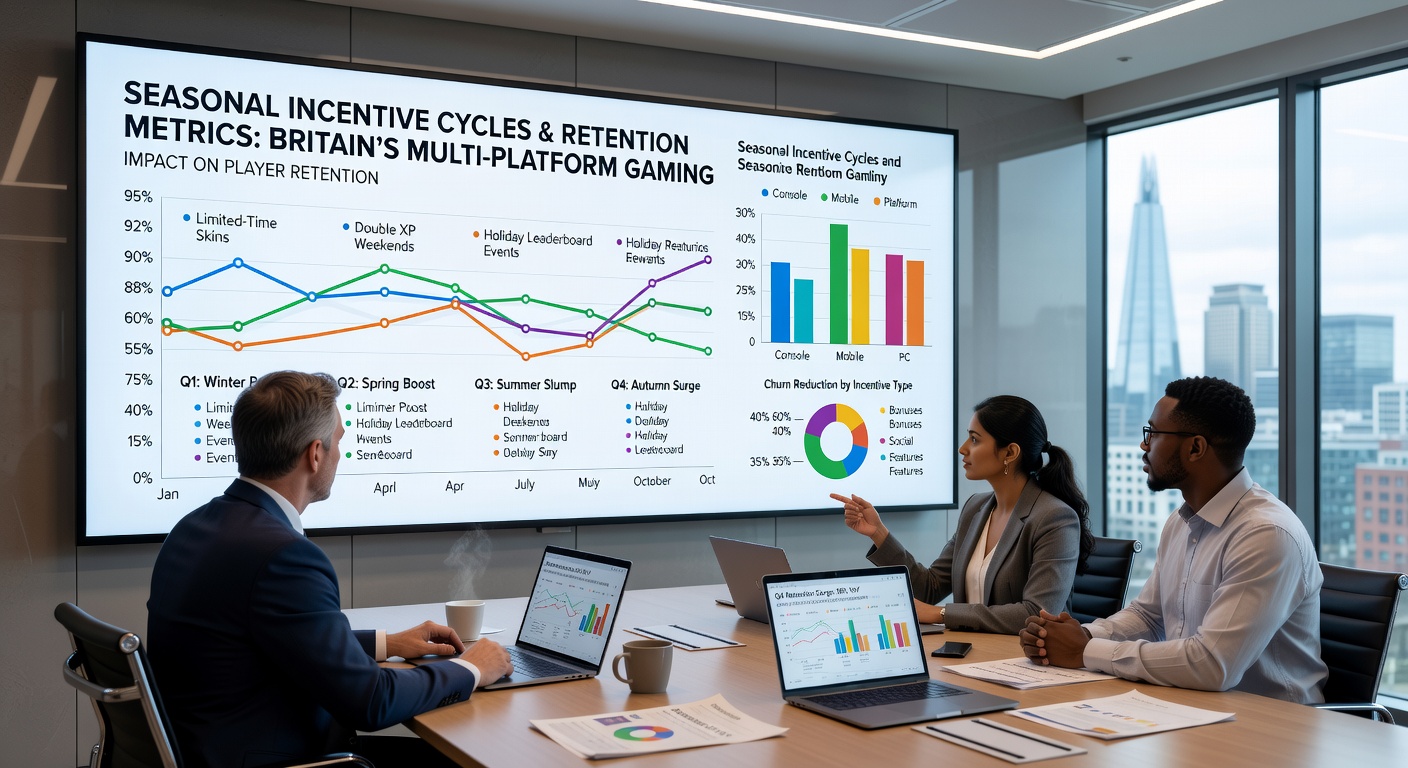
Retention data collected across UK platforms reveals that seasonal cycles produce distinct spikes followed by stabilization periods, and metrics such as day-30 return rates rise when incentives include cross-game contributions that count slots play toward sports bonus unlocks. Observers note that platforms employing staggered release schedules maintain steadier user bases compared with those concentrating all promotions into single-month bursts.
Figures from broader gaming studies show correlations between incentive timing and reduced account dormancy, particularly when summer cycles incorporate outdoor-themed challenges that tie into cricket or tennis events. Those cycles encourage continued logins even during traditionally lower-engagement months, while winter cycles leverage indoor focus periods to boost poker and live dealer participation.
Platform-Specific Responses and Cross-Vertical Linkages
Slots-focused sections of multi-platform sites often anchor early-cycle incentives with free spin packages that feed into broader reward systems, and this approach allows players to carry momentum into sportsbooks where accumulator bonuses activate during major league seasons. Poker rooms integrate seasonal freerolls that reward consistent participation across the calendar year, creating retention pathways that extend beyond single verticals.
According to findings published by the National Center for Responsible Gaming, integrated tracking across devices helps operators identify when seasonal incentives successfully convert one-time visitors into recurring users. Platforms that synchronize mobile push notifications with desktop loyalty dashboards see stronger continuity, especially when June cycles introduce mid-year resets that refresh progress bars without requiring new deposits.
June 2026 Observations and Emerging Patterns
In June 2026, several British operators introduced tiered summer incentive structures that combined outdoor sports promotions with indoor table-game multipliers, and early analytics indicated sustained retention through the first half of the month compared with prior years. These adjustments responded to shifting player preferences for flexible access, where mobile sessions during travel periods counted equally toward desktop-based VIP thresholds.
Additional reports from Gambling Research Australia highlight how seasonal alignment across regions can inform retention strategies, and British platforms have adapted similar segmentation techniques to differentiate between casual and high-frequency users during transitional months. The result appears in steadier cohort retention figures when incentives bridge multiple game types rather than isolating them.
Conclusion
Seasonal incentive cycles continue to serve as primary levers for managing retention metrics in Britain's multi-platform gaming sector, with operators refining timing and cross-vertical linkages to maintain engagement throughout the calendar year. Data collected through 2026 demonstrates that coordinated releases produce measurable improvements in return rates and session consistency when delivered across unified accounts. Platforms that monitor these patterns adjust future cycles accordingly, ensuring incentives remain responsive to both external calendars and internal performance indicators.