Interlinked Compensation Structures Enhancing Participation in Multiple Gaming Categories Across British Digital Platforms
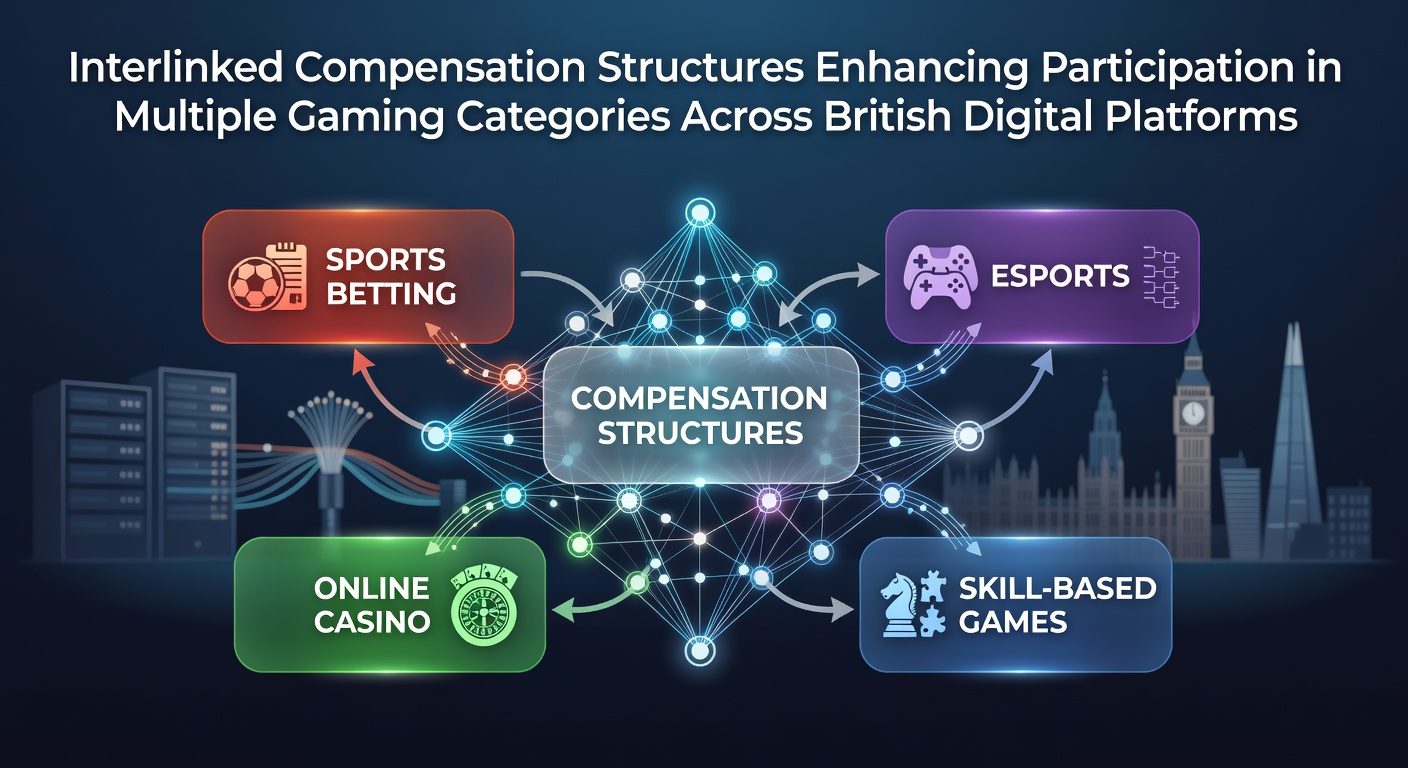
Interlinked compensation structures have emerged as a defining feature of British digital gaming platforms, where operators design reward systems that connect activities across slots, sports betting, poker rooms, and live dealer tables. These frameworks allow players to earn and redeem incentives that span multiple categories, creating pathways that encourage broader engagement rather than isolated play in one vertical.
Data from industry reports shows participation rates rising when users move between game types under unified loyalty mechanics. Observers note that points accumulated from one category often convert directly into bonuses usable elsewhere, which streamlines the experience and reduces friction for those exploring new formats.
How Linked Rewards Operate Across Categories
Platforms implement tiered systems where activity in slots contributes to sports betting credits or poker tournament entries through shared progress trackers. A player completing slot spins might unlock matched deposits for upcoming football wagers, while poker hand volumes feed into live table cashback multipliers. This interconnection relies on centralized player accounts that track contributions uniformly, allowing seamless transitions between verticals without separate qualification processes.
Researchers at the University of Nevada's International Gaming Institute have documented similar patterns in multi-category environments, where unified ledgers lead to sustained participation over longer periods. Their analysis highlights how operators adjust contribution weights so that high-volume slots play accelerates access to premium sports odds boosts or exclusive poker freerolls.
Participation Trends Observed in Early 2026
By May 2026 figures reveal increased cross-category movement on major British platforms, with users who engage three or more verticals showing higher retention metrics than single-category participants. Linked structures play a central role here because they attach value to diversification, such as bonus multipliers that scale when a player combines casino spins with live dealer sessions and sports accumulators within the same week.
Those tracking platform data point to reduced drop-off rates once initial rewards from one area unlock opportunities in another. For instance, a no-deposit starter package focused on slots can evolve into credits for table games or betting markets once wagering thresholds are met, keeping momentum across the ecosystem.
Technical Foundations Supporting Cross-Vertical Engagement
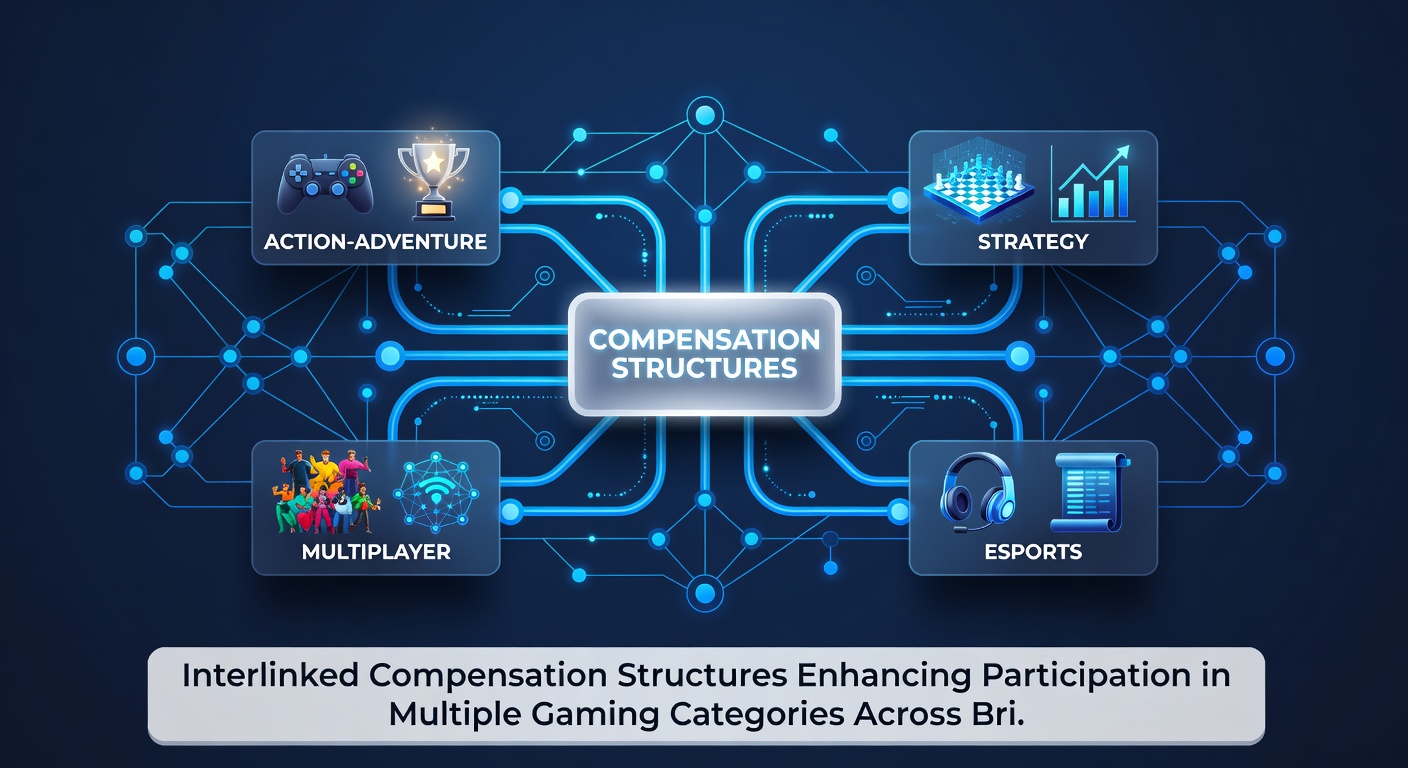
Backend integration enables real-time updates that reflect activity across categories in a single dashboard. Players see progress bars that advance from slots contributions toward sports or poker milestones, while operators apply dynamic rules that adjust based on overall volume rather than isolated metrics. This setup supports features like transferable loyalty currencies that hold value whether redeemed for free spins, stake matches, or tournament buy-ins.
According to studies published in the Journal of Gambling Studies, such architectures correlate with broader exploration of available offerings because barriers between categories diminish. Users no longer restart qualification for each new type of game, which accelerates movement from casual entry points into more involved formats like high-limit tables or live event betting.
Regulatory Context and Platform Adaptations
British operators align these structures with existing compliance frameworks while incorporating elements drawn from international models. Platforms reference guidelines from bodies such as the Malta Gaming Authority when designing transferable rewards, ensuring transparency in how points convert and what restrictions apply across verticals. This approach maintains clarity for users navigating multiple game types under one account.
External data from the Canadian Centre on Substance Use and Addiction underscores the importance of clear communication around linked incentives, particularly when rewards span categories with differing risk profiles. Platforms respond by displaying conversion rates and eligibility rules prominently, allowing participants to understand how activity in one area influences options elsewhere.
Future Directions for Integrated Systems
Developments anticipated later in 2026 focus on deeper personalization within interlinked frameworks. Machine learning applications already analyze patterns to suggest category transitions that align with individual play histories, such as routing slots enthusiasts toward related sports prop bets or poker cash games. These refinements aim to sustain engagement by matching rewards to demonstrated preferences while preserving the core connectivity between verticals.
Platform analytics continue to refine weighting formulas so that balanced participation across categories yields optimal returns for users. This ongoing calibration reflects broader industry shifts toward ecosystems where single-session activity feeds into long-term, multi-format journeys.
Conclusion
Interlinked compensation structures continue to shape how British digital platforms facilitate movement between gaming categories. Through shared tracking, convertible rewards, and adaptive rules, these systems connect initial entry points with advanced opportunities across slots, sports, poker, and live tables. Ongoing refinements based on participation data support sustained engagement patterns observed through mid-2026 and beyond.