How Eligibility Criteria Shape Access to Tiered Benefits Across Gaming Categories in the United Kingdom's Online Sector
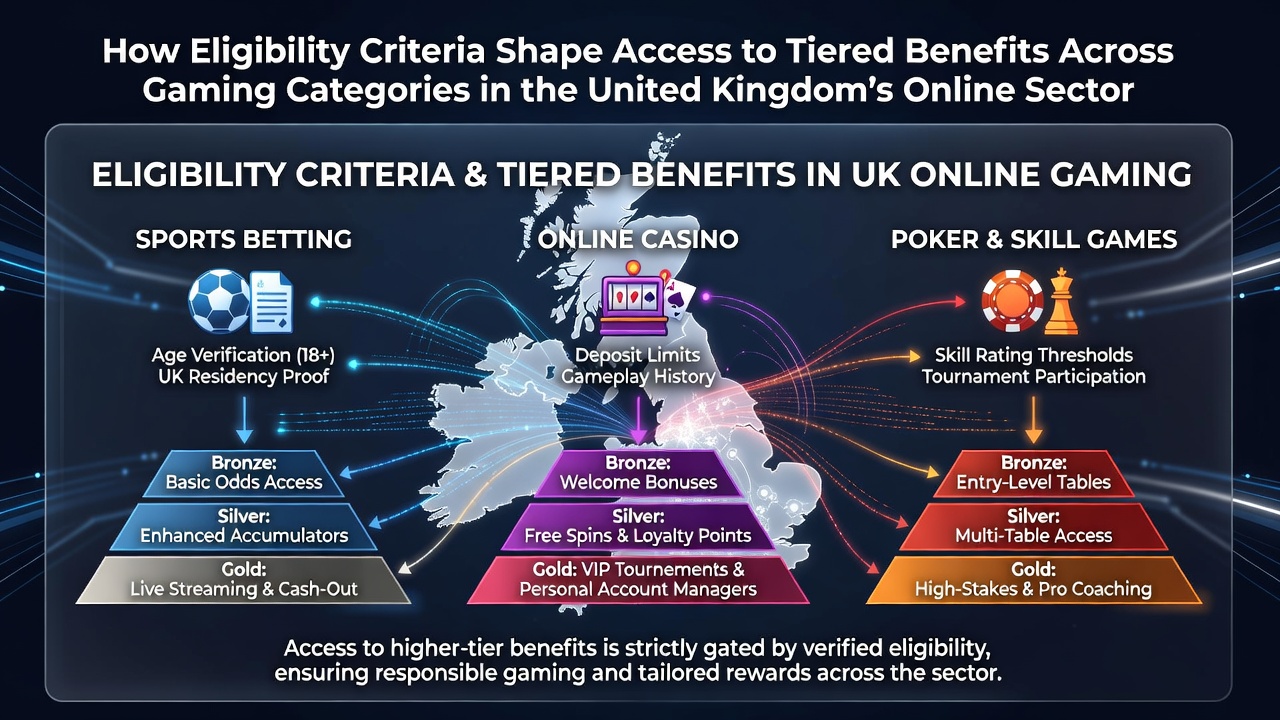
Eligibility criteria determine how players move between different reward levels in the United Kingdom's online gaming platforms, and these rules vary by category such as slots, sports betting, poker, and live dealer tables. Platforms set requirements around deposit amounts, activity volume, and account verification that directly control which perks become available at each tier. Data from industry reports shows these systems create distinct pathways where meeting one set of conditions unlocks benefits unavailable to those who fall short on another.
Core Components of Eligibility Frameworks
Platforms establish base thresholds that all users must clear before any tier progression begins, and these often include age confirmation, identity checks, and initial funding steps. Higher tiers add layers such as minimum wagering totals over specified periods, frequency of play across multiple game types, and sometimes location-based restrictions tied to regional licensing rules. Observers note that July 2026 brought adjustments in several major sites where criteria for mid-level access tightened around combined activity metrics rather than single-category spending alone.
Researchers at various institutions have tracked how these frameworks segment users, and one analysis from the European Gaming and Betting Association indicates that players who diversify across categories reach upper tiers faster than those who remain in one vertical. The criteria typically specify contribution rates, where slots activity might count at 100 percent toward requirements while sports bets or poker hands contribute at reduced percentages depending on the operator's formula.
Category-Specific Variations in Access Rules
Slots and casino sections frequently tie early tiers to deposit frequency and spin volume, whereas sports betting tiers emphasize stake size and event diversity. Poker rooms often weight hand volume and tournament entries more heavily, creating separate progression tracks that sometimes intersect only at the highest loyalty levels. Live dealer environments blend elements from both casino and table game rules, requiring consistent session lengths alongside total turnover to qualify for dedicated perks.
Those who've examined platform terms find that cross-category eligibility often demands proof of activity in at least two verticals before elite benefits activate. This structure means a user focused solely on sports may stall at an intermediate tier even with substantial volume, while someone splitting play between slots and poker advances more readily. Figures reveal that such rules encourage broader engagement patterns across the sector.
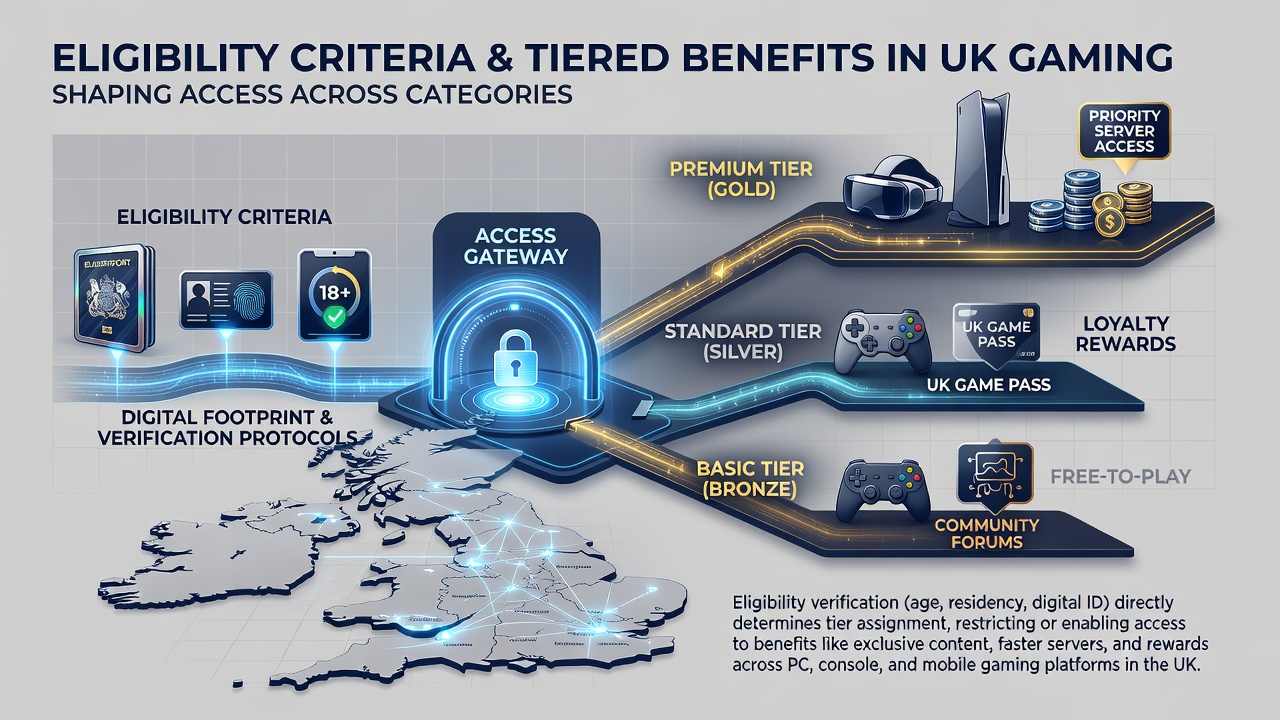
Account verification steps also differ by category depth, with basic tiers needing only email and payment confirmation while premium levels require enhanced documentation. Platforms update these standards periodically, and mid-2026 saw several operators introduce combined verification scores that aggregate data from all active categories rather than reviewing each in isolation.
Effects on Player Movement Between Tiers
Eligibility rules create bottlenecks where players must satisfy multiple conditions simultaneously to advance, and failure in any one area resets or caps progress. Studies from academic sources such as those published through the University of Nevada, Las Vegas gaming research center demonstrate that transparent criteria listings correlate with higher retention rates at intermediate tiers. Operators publish these requirements in dedicated sections, yet the interconnected nature across categories means users often track activity through integrated dashboards that display remaining thresholds in real time.
Seasonal promotions in July 2026 highlighted temporary eligibility windows where platforms lowered certain volume requirements for limited periods, allowing broader access during those windows. Such adjustments typically apply uniformly across categories yet still maintain the underlying tier structure once the promotion ends. Data indicates these limited openings provide measurable insight into how standard criteria normally gate higher benefits.
Regulatory and Operational Context
United Kingdom platforms operate under licensing frameworks that mandate clear disclosure of eligibility terms, and this requirement extends to how tiers connect across gaming types. External oversight from bodies in other regions, including guidelines referenced by the Australian Communications and Media Authority, has influenced some operators to standardize their documentation practices. These disclosures help clarify which activities count toward each tier and what exclusions apply when players switch between verticals.
Operational teams adjust criteria based on performance metrics gathered across all categories, and shifts often reflect aggregated player behavior rather than isolated trends in one area. The result is a dynamic system where eligibility remains the primary gatekeeper for benefit distribution.
Conclusion
Eligibility criteria function as the central mechanism that sorts users into different benefit levels throughout the United Kingdom's online gaming categories. These rules operate through deposit, activity, and verification requirements that adapt across slots, sports, poker, and live dealer formats. As platforms refined their approaches through July 2026, the emphasis on combined cross-category metrics became more pronounced. The structure ensures that advancement depends on meeting defined thresholds rather than uniform access for all participants.