Exploring Synchronization Techniques for Multi-Format Incentives in Britain's Online Entertainment Sector
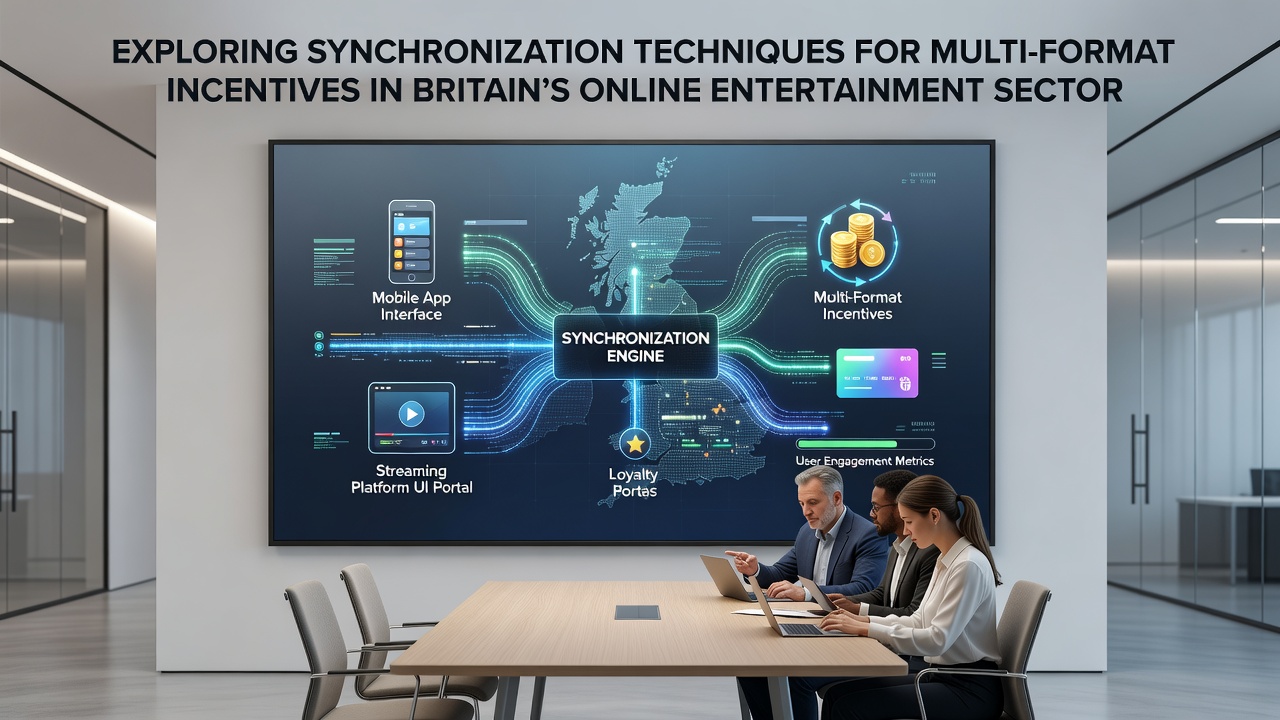
British online entertainment platforms have expanded their incentive structures to span multiple formats including slots, sportsbooks, poker rooms, and live dealer tables, yet the real operational challenge lies in keeping these rewards aligned without creating disjointed user experiences. Synchronization techniques address this by linking account data, conversion rules, and eligibility checks across verticals so that progress in one area feeds directly into others, and operators achieve this through shared databases, API-driven updates, and tiered loyalty engines that operate in real time.
Core Mechanisms Behind Cross-Format Alignment
Unified player profiles form the foundation, where a single identifier tracks activity from reel spins to football accumulators and Texas Hold'em hands, while contribution percentages adjust automatically according to game type to maintain consistent wagering progress toward release conditions. Real-time data pipelines push updates between systems so that a completed sports bet immediately reflects in a casino bonus meter, and observers note that platforms achieve this integration by routing all transactions through centralized ledgers rather than siloed modules. Conversion protocols then translate points earned in one format into credits usable elsewhere, with fixed exchange rates that prevent inflation across categories, and research from the University of Nevada Reno Gaming Research Center shows these protocols reduce duplicate claims by coordinating timestamped events across servers.
Technical Approaches in Practice
API orchestration stands out as a primary method, where middleware layers poll multiple game servers every few seconds to reconcile balances and unlock thresholds, allowing a player who hits a poker milestone to receive an instant sports free bet without manual intervention. Event-driven architectures supplement this by triggering conditional rewards when predefined combinations occur, such as a minimum deposit followed by both a slot session and a live table entry within a set window, and data indicates these triggers cut administrative overhead because they replace manual reviews with scripted validations. Those who have examined platform architectures further point out that token-based authentication across verticals ensures the same session token carries eligibility flags, preventing mismatches that once forced users to log out and back in when switching from slots to betting markets.
July 2026 saw several major British operators roll out enhanced synchronization layers that incorporated machine learning models to predict optimal reward timing based on historical cross-format patterns, and these updates coincided with broader regulatory shifts in Europe that encouraged transparent data handling between gaming products.

Data Integration and Compliance Layers
Compliance modules sit alongside synchronization engines to enforce geographic and age restrictions uniformly, pulling from a master user record rather than separate checks per vertical, which streamlines audits and reduces conflicting flags. Industry reports from the Australian Gambling Research Centre highlight how similar integration approaches in other markets lowered error rates in bonus eligibility by coordinating identity verification timestamps across all product lines. Operators in Britain apply comparable logic when handling multi-format promotions, ensuring that a VIP tier achieved through combined sports and poker volume carries over instantly to casino cashback calculations without requiring separate qualification periods.
Examples of Applied Synchronization
One documented implementation involves loyalty clubs where points from live dealer sessions convert at a 1:1 ratio into sports staking credits, yet only after the system confirms the originating activity meets contribution thresholds set for that format. Another case shows sequential unlocking sequences where a no-deposit casino entry must pair with a minimum sports wager before poker tournament tickets become available, and the coordination happens through queued messages that fire only when both conditions register as complete. Observers tracking these patterns report that platforms using graph databases to map player journeys across formats achieve faster reconciliation because relationships between actions are stored as connected nodes rather than flat tables.
Challenges and Ongoing Refinements
Latency remains a persistent issue when high-volume events coincide, such as simultaneous tournament starts and major football fixtures, yet operators mitigate this by deploying regional edge servers that handle local synchronization before pushing aggregated updates to the core system. Security protocols add another layer because any cross-format link must encrypt sensitive identifiers during transit, and figures from the Canadian Gaming Association indicate that encrypted API calls now represent standard practice across multi-product sites. Refinements continue as platforms test hybrid models that blend rule-based triggers with predictive adjustments, allowing systems to anticipate when a user might switch formats and pre-load relevant incentives accordingly.
Conclusion
Synchronization techniques for multi-format incentives continue to evolve through tighter integration of profiles, real-time data flows, and adaptive conversion rules that keep rewards coherent across Britain's online entertainment offerings. These methods support operational efficiency while maintaining the distinct character of each vertical, and ongoing developments through 2026 demonstrate further refinement in how platforms connect disparate incentive streams without introducing friction for users.