Examining Linkages Between Signup Incentives and Long-Term Engagement Programs in UK Digital Casinos, Sportsbooks, and Poker Sites
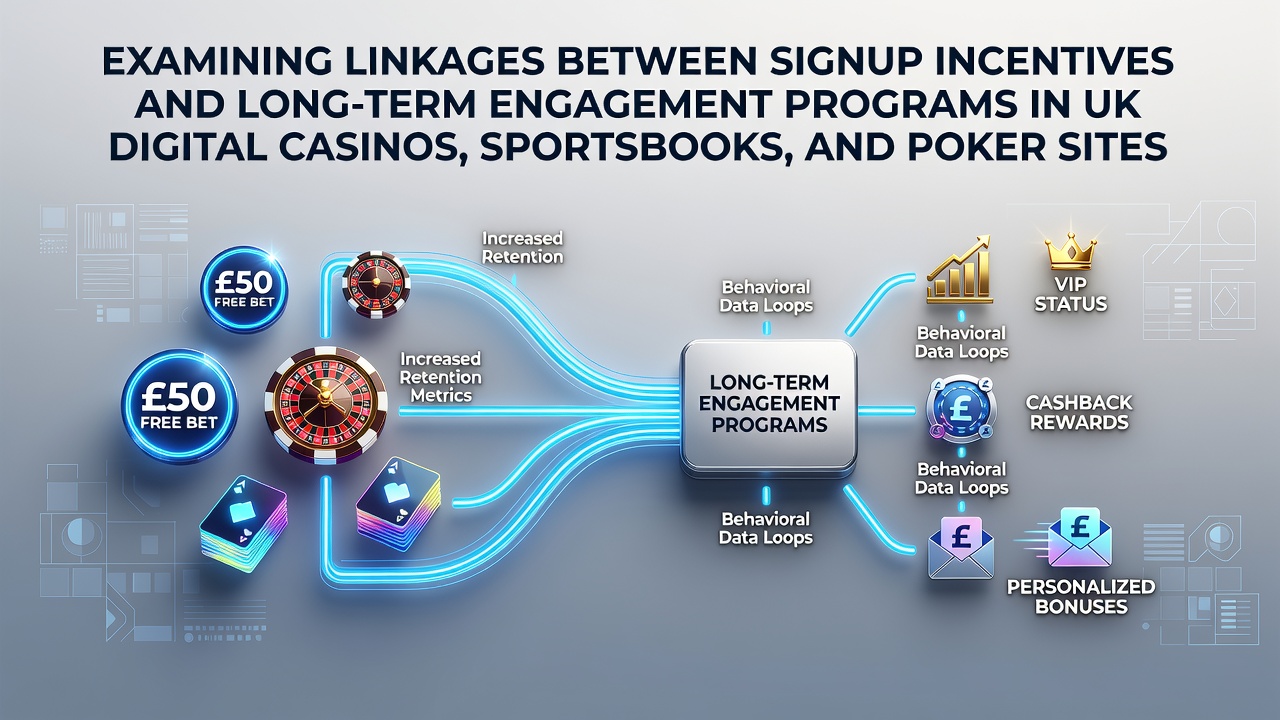
Signup incentives in UK digital casinos, sportsbooks, and poker sites function as initial gateways that channel users toward sustained participation structures, according to industry analyses from multiple regulatory perspectives. These entry-level offers, ranging from matched deposits to free spins and risk-free bets, establish behavioral patterns that operators then extend through tiered loyalty frameworks and cross-platform reward systems. Data from European operators reveals consistent migration rates where initial bonus users advance into ongoing engagement mechanisms within three to six months of registration.
Initial Incentives and Their Structural Role
Operators design signup incentives to lower barriers for new accounts, yet these promotions embed conditions such as wagering requirements that naturally guide players into repeated activity across verticals. Research from the European Gaming and Betting Association indicates that integrated offers linking casino spins directly to sportsbook credits increase the likelihood of continued play by connecting disparate game types under unified account tracking. Poker sites follow similar patterns where no-deposit tournament entries convert into rakeback arrangements once players complete initial verification stages.
Those who track player journeys note that platforms segment users based on early redemption behavior, routing high-engagement profiles toward personalized retention sequences. This segmentation occurs automatically through backend systems that monitor deposit frequency and game preference, creating pathways from one-time bonuses into recurring reward cycles without manual intervention.
Pathways from Entry Offers to Sustained Programs
Long-term engagement mechanisms build directly upon the data collected during incentive redemption phases, allowing sites to calibrate VIP tiers and loyalty points around demonstrated user habits. Figures from North American gaming associations show parallel structures where initial free bet credits evolve into cashback loops and exclusive tournament access once activity thresholds are met. UK platforms apply comparable logic, synchronizing casino, sports, and poker rewards so that progress in one area accelerates benefits in others.
July 2026 reports highlight increased adoption of unified wallets that track contributions across all three verticals, enabling seamless transitions from signup freebies into elite accumulator programs. Observers document cases where players completing casino wagering requirements receive automatic sportsbook deposit boosts, which then feed into poker loyalty points through shared progress meters. These connections reduce friction and maintain momentum across different game formats.

Cross-Platform Integration Patterns
UK operators increasingly deploy connected incentive networks that treat casino, sportsbook, and poker activity as interchangeable components within single loyalty ecosystems. Academic studies on player retention, including work referenced by the Canadian Gaming Association, demonstrate that such linkages extend average session lengths and elevate lifetime value metrics when rewards compound across categories. Signup incentives serve as the calibration phase, after which algorithms adjust offer frequency and value based on observed cross-vertical movement.
Platforms achieve this through contribution scales that assign different weights to each game type, ensuring balanced progression regardless of preferred activity. Users who begin with poker freerolls often receive targeted casino reloads once they reach mid-tier status, while sports bettors accumulate points that unlock live dealer privileges. This orchestration relies on real-time tracking systems updated continuously rather than through periodic manual reviews.
Measurement and Adjustment Mechanisms
Performance indicators for these linkages include conversion percentages from bonus users to active loyalty members, alongside retention curves measured at thirty, sixty, and ninety days post-registration. Operators refine these connections by testing variations in incentive structures, then scaling successful patterns across their user bases. Evidence compiled by university-led gambling research centers shows measurable lifts in engagement duration when signup mechanics align explicitly with downstream reward tiers.
Regulatory environments outside the UK, including frameworks monitored by the Nevada Gaming Control Board, provide comparative benchmarks that UK platforms reference when calibrating their own systems. These external data points help operators anticipate how different incentive designs influence long-term participation rates across multiple product lines.
Conclusion
Linkages between signup incentives and long-term engagement programs operate through automated tracking, cross-vertical reward integration, and progressive segmentation that converts initial interactions into sustained activity. Data gathered as of July 2026 confirms these structures remain central to operator strategies across UK casino, sportsbook, and poker offerings, with measurable outcomes tied to unified account systems and calibrated contribution models.