Device-Driven Variations in Accessing Integrated Reward Programs for Slots, Wagers, and Table Games Among UK Participants
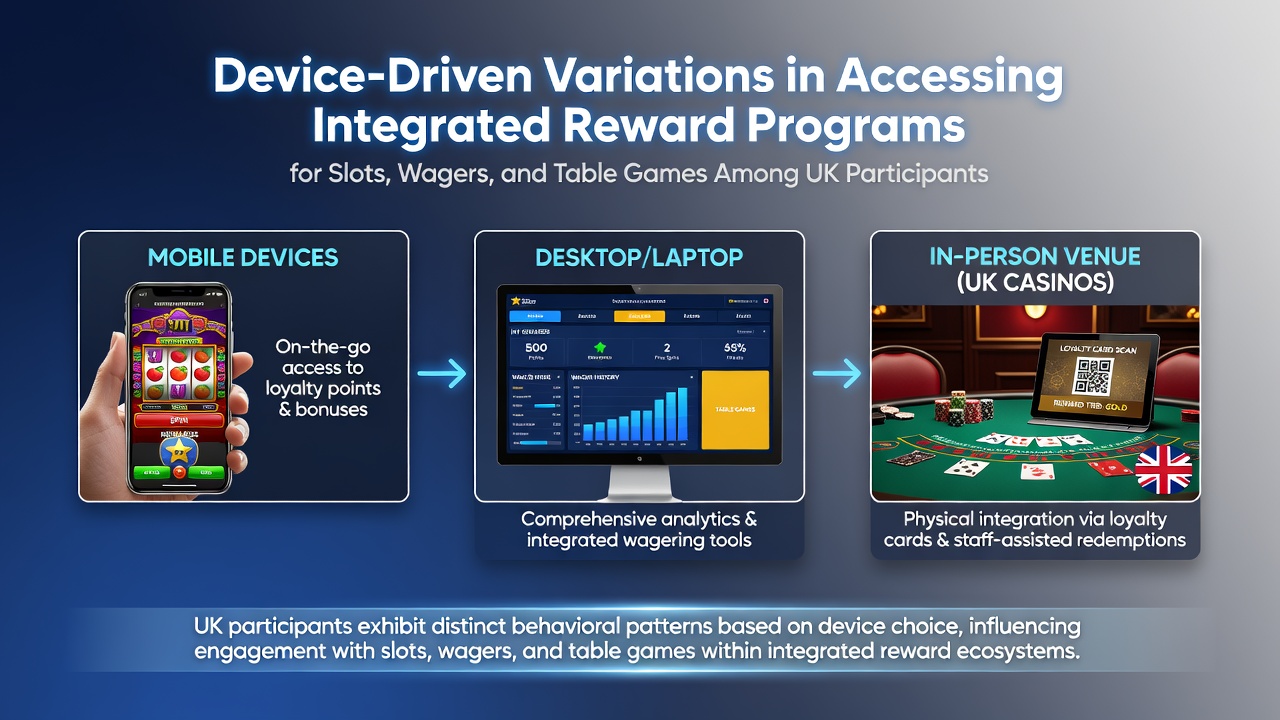
Device type shapes how UK participants interact with integrated reward programs that span slots, sports wagers, and table games, creating distinct access patterns that operators track through usage data. Mobile phones dominate daily engagement while tablets and desktops serve different segments of the player base, each channel presenting unique interfaces for claiming and progressing through bonuses. Research from the Australian Communications and Media Authority shows mobile sessions account for over 70 percent of gambling activity in comparable markets, a trend that mirrors patterns observed among UK users where portability influences reward redemption frequency.
Mobile Interfaces and On-the-Go Reward Integration
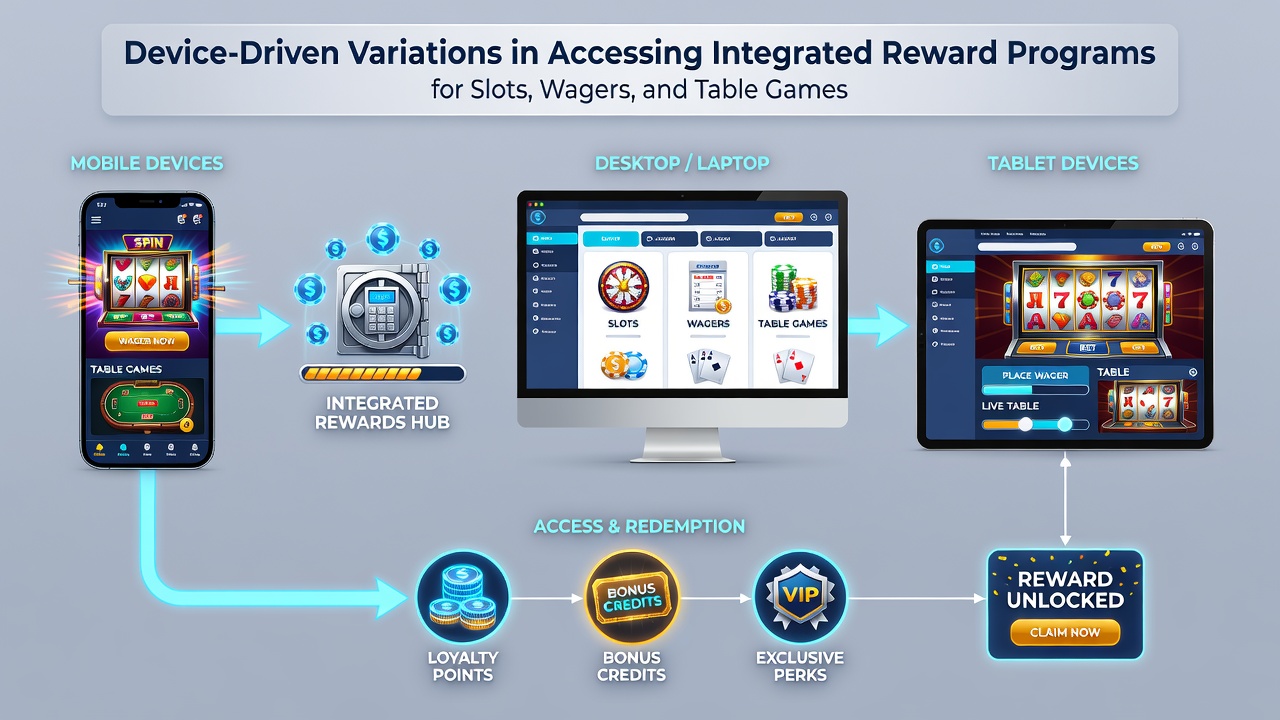
Smartphone applications bundle slot spins, live wagers, and table game entries into single dashboards that update in real time, allowing participants to move between game categories without separate logins. Push notifications alert users to time-sensitive offers that apply across verticals, such as a deposit match that counts toward both reel rotations and sports stakes. Those who study device analytics note that mobile users complete reward tasks at higher rates during commuting hours, whereas desktop sessions cluster in evening windows when larger screens facilitate longer table game sessions. App-based systems often embed progress trackers that display contribution percentages from each game type toward a shared wagering target, reducing friction for players who switch devices mid-campaign.
Desktop Platforms and Extended Session Dynamics
Desktop browsers deliver detailed reward calendars and multi-game leaderboards that appeal to participants who prefer planning their bonus progression over several days. Larger displays accommodate side-by-side views of slot reels alongside live sports odds, helping users allocate play across categories while monitoring a unified loyalty meter. Observers note that desktop participants tend to engage more with complex table game variants where reward multipliers accumulate over extended hands, a behavior supported by stable internet connections and full keyboard navigation. Data compiled by the European Gaming and Betting Association indicates desktop traffic sustains higher average session lengths, which in turn correlates with deeper progression through tiered VIP structures that span casino, sports, and poker offerings.
Tablet Usage Patterns in Cross-Vertical Reward Flows
Tablets occupy an intermediate position, offering screen real estate closer to desktops while retaining the touch interface of phones. UK participants frequently use tablets for live dealer tables during evening leisure periods, pairing these sessions with simultaneous sports wagers placed through the same integrated account. Reward programs on tablet browsers often surface hybrid promotions that credit both table game rake and sports turnover toward a single cashback pool. Studies from academic institutions such as the University of Nevada's gaming research center have documented how tablet users exhibit balanced contribution rates across slots and wagers, avoiding the mobile bias toward quick spins or the desktop tendency toward prolonged strategic play.
Cross-Device Synchronization and Reward Continuity
Operators increasingly deploy cloud-synced accounts that preserve bonus progress when participants switch from phone to desktop mid-session. This continuity matters for programs where slot contributions feed into wager requirements that also apply to table game play. June 2026 figures from industry monitoring services reveal that synchronized accounts reduce drop-off rates during multi-device journeys, particularly for UK users who begin reward cycles on mobile during the day and complete wagering targets on desktop at home. Seamless handoffs depend on consistent authentication protocols that maintain visibility of accumulated points across all game verticals without resetting progress meters.
Device-Specific Limitations and Adaptation Strategies
Smaller mobile screens sometimes compress reward menus, requiring additional taps to view full terms for cross-game promotions that cover slots, wagers, and tables. Desktop environments display these details more comprehensively yet may impose stricter verification steps before releasing integrated bonuses. Participants adapt by favoring mobile for initial claim actions and reserving desktop for detailed review of contribution weights that vary between game types. Those who monitor platform metrics report that adaptation behaviors stabilize after the first few sessions, with users settling into device preferences that maximize their ability to meet shared wagering thresholds efficiently.
Conclusion
Device choice continues to influence how UK participants navigate integrated reward structures linking slots, sports wagers, and table games. Mobile dominance supports rapid, frequent interactions while desktops enable deeper strategic engagement, and tablets bridge both approaches. Synchronization tools introduced by operators help maintain continuity across these channels, ensuring that progress toward shared targets remains visible regardless of entry point. As usage data evolves through 2026 and beyond, these device-driven patterns will shape the design of future unified programs that accommodate varied participant habits without fragmenting reward access.