Device-Driven Dynamics: How Smartphone Interfaces Influence Bonus Accessibility and Progression in Casino, Sports, and Table Game Offerings
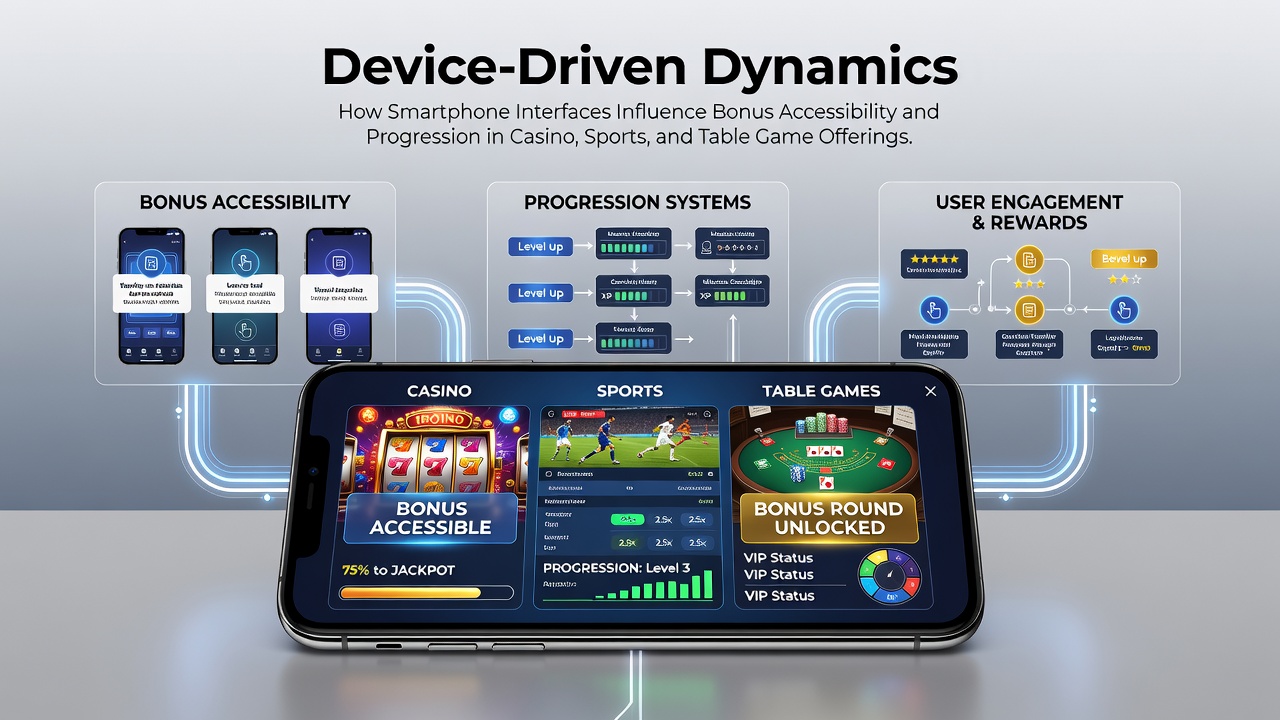
Smartphone interfaces have reshaped how players access and advance through bonus structures across casino slots, sports wagering platforms, and table game environments since the widespread adoption of dedicated mobile applications in the mid-2010s. Data from industry tracking services shows that over 70 percent of bonus claims now occur through mobile devices rather than desktop browsers, a shift driven by interface features such as gesture-based navigation, push notification systems, and real-time account dashboards that surface offers immediately upon login.
Interface Elements That Shape Bonus Entry Points
Touch-optimized layouts allow operators to embed bonus claim buttons directly within game lobbies or betting slips, reducing the number of taps required to activate promotions compared with earlier web-based flows. Researchers at institutions studying digital gambling behavior have documented that swipe-to-claim mechanics and floating action buttons increase completion rates for no-deposit offers, while persistent bottom navigation bars keep progression trackers visible during extended sessions. These design choices create pathways where players move from initial signup incentives into layered rewards without leaving the primary application environment.
Progression Tracking in Casino and Slot Environments
Casino applications frequently display contribution meters that update live as players complete spins, showing how individual wagers feed into larger bonus unlocking sequences. Interface elements like progress rings and segmented bars help users visualize movement across multiple reward tiers, particularly when promotions span video slots and table games on the same platform. Observers note that collapsible menus allow simultaneous viewing of game contribution percentages and remaining wagering requirements, which streamlines decision-making during play without forcing exits to separate terms pages.
June 2026 platform updates introduced adaptive interfaces that adjust bonus visibility based on device orientation and screen size, ensuring that high-value offers remain prominent even on compact smartphone displays. This development follows patterns identified in earlier mobile usability studies where smaller viewports previously obscured secondary promotions.
Sportsbook Interfaces and Layered Reward Flows
Sports betting applications integrate bonus progression into live event feeds through expandable bet-slip overlays that highlight matched-bet opportunities or cash-out incentives tied to specific wagers. Data indicates that in-app calendars and fixture-based alerts prompt users to claim recurring deposit matches or odds boosts before event start times, creating tighter connections between interface timing cues and reward availability. Multi-leg accumulator builders often embed bonus multipliers that scale automatically, with color-coded indicators signaling when additional legs unlock enhanced returns.
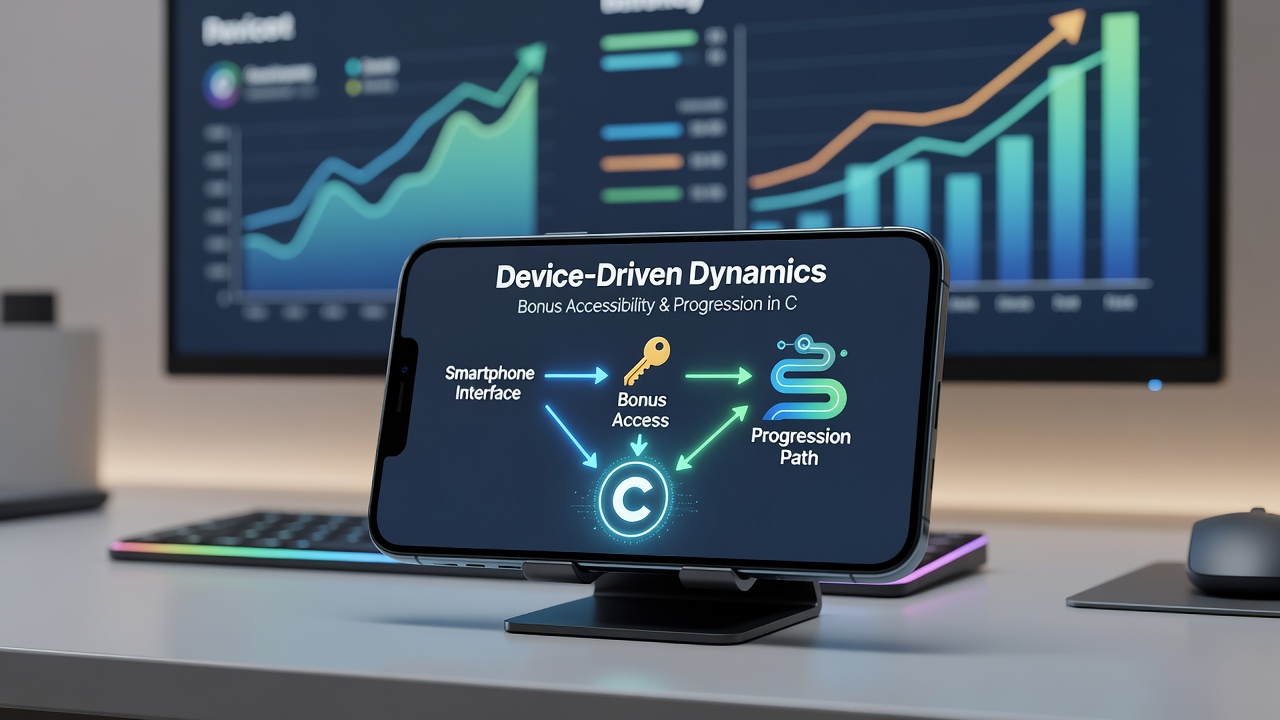
Those who have examined cross-vertical promotions report that smartphone dashboards frequently consolidate casino, sports, and poker rewards into unified loyalty counters, allowing seamless transfers of progress points earned from one vertical into another. This consolidation reduces friction that once existed when players switched between separate mobile sites or applications to track distinct bonus categories.
Table Game and Live Dealer Adaptations
Live dealer table interfaces on smartphones incorporate gesture controls for card handling alongside persistent bonus status panels that update during rounds. Players encounter side-bet promotions or streak-based rewards that appear as temporary overlays triggered by specific outcomes, with interface logic designed to minimize disruption to core gameplay. Studies from gaming research groups have shown that haptic feedback paired with visual progress indicators strengthens retention of bonus terms during extended live sessions, while portrait-mode layouts keep dealer streams and account meters visible simultaneously.
Platform operators have incorporated biometric authentication shortcuts within these interfaces, enabling faster progression through verification stages that precede high-tier table game bonuses. Such features align with broader industry trends toward streamlined mobile security protocols observed across multiple regions.
Cross-Platform Data and Emerging Patterns
According to reports compiled by the European Gaming and Betting Association, mobile interface refinements in 2025 and 2026 correlated with measurable increases in bonus redemption consistency across casino, sports, and table offerings. Figures reveal that applications using dynamic theming and contextual tooltips achieve higher completion rates for multi-stage wagering sequences than static designs. Industry organizations tracking player behavior note similar outcomes in markets outside Europe, including North American jurisdictions where mobile-first regulations have accelerated interface standardization.
One study released by researchers at the University of Las Vegas documented how notification cadence influences progression speed, with timed alerts aligned to bonus expiration windows prompting quicker engagement without overwhelming users. These patterns hold across different device ecosystems, although variations in operating system notification handling create subtle differences in delivery reliability.
Conclusion
Smartphone interface design continues to determine the practical accessibility and advancement pathways for bonuses spanning casino, sports, and table game categories. The integration of real-time trackers, gesture shortcuts, and unified dashboards has produced measurable shifts in how players interact with promotional structures, patterns confirmed by data collected through mid-2026. Future refinements will likely build on these foundations as device capabilities expand and regulatory frameworks adapt to evolving mobile ecosystems.