Data-Driven Deals: Customizing UK Gaming Incentives with Player Profiles
Data-Driven Deals: Customizing UK Gaming Incentives with Player Profiles
The Rise of Personalization in UK Gaming Promotions
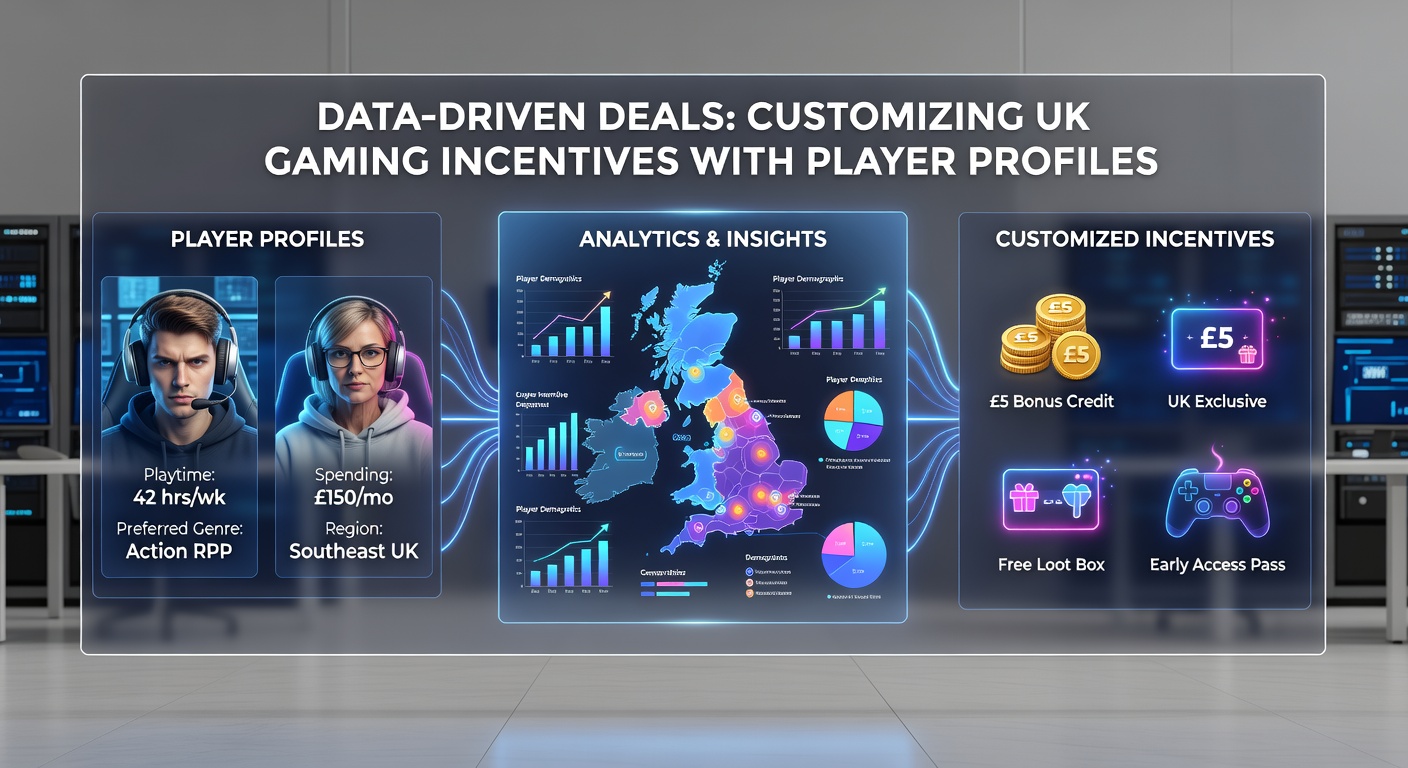
Platforms across the UK gaming landscape have shifted toward data-driven strategies, tailoring incentives to individual player profiles rather than blasting generic offers; this approach, fueled by advancements in analytics, allows operators to analyze betting patterns, game preferences, and session behaviors, crafting promotions that align precisely with user habits. Researchers note that such customization boosts engagement, with data from Deloitte's 2023 Gaming Consumer Review revealing how personalized rewards in digital entertainment sectors increase retention by up to 30 percent, a trend now permeating UK slots, sportsbooks, and table games. And while early adopters experimented with basic segmentation, today's systems dive deeper, segmenting players into micro-groups based on real-time data flows.
Take one operator who tracks deposit frequencies alongside game dwell times; they might spot a slots enthusiast logging frequent low-stake spins, then serve up targeted free spin bundles tied to those reels, whereas a sports punter favoring football accumulators receives boosted odds on Premier League matches. What's interesting is how this personalization extends beyond initial welcomes, evolving into ongoing loyalty loops that adapt as profiles mature.
Building Player Profiles: Data Sources and Analytics at Work
Operators construct these profiles by aggregating data from multiple touchpoints—signup details, transaction histories, device usage, and even geolocation pings—while complying with privacy standards that mandate consent for tracking; machine learning algorithms then process this influx, identifying clusters like high-rollers who chase poker tournaments or casual players dipping into live blackjack. Studies from the European Gaming and Betting Association's 2023 report highlight how such profiling in regulated markets enhances player satisfaction, with 65 percent of users reporting preference for bespoke incentives over one-size-fits-all deals.
But here's the thing: profiles don't stay static; they update dynamically, incorporating win-loss streaks or dormant periods, so a player slumping on roulette might trigger cashback tailored to table games, pulling them back with relevance rather than irrelevance. Experts observe that this granular view, powered by tools like predictive modeling, forecasts future behaviors, enabling preemptive offers such as wager-free spins before a favorite slot's jackpot climb.
Tailored Incentives Across Game Verticals
In slots, data reveals spin speeds and volatility tolerances, prompting platforms to customize free spin packages—say, low-volatility reels for steady players versus high-volatility blasts for thrill-seekers—while sportsbooks leverage historical bet types, offering enhanced multiples on tennis outrights to fans who've consistently backed underdogs. Poker rooms take it further, profiling hand ranges and tournament entries to dispense satellite tickets or freeroll seats, ensuring incentives match skill levels and aspirations; tables, meanwhile, see blackjack loyalists receiving matched deposits on live dealer variants, complete with session-time multipliers.
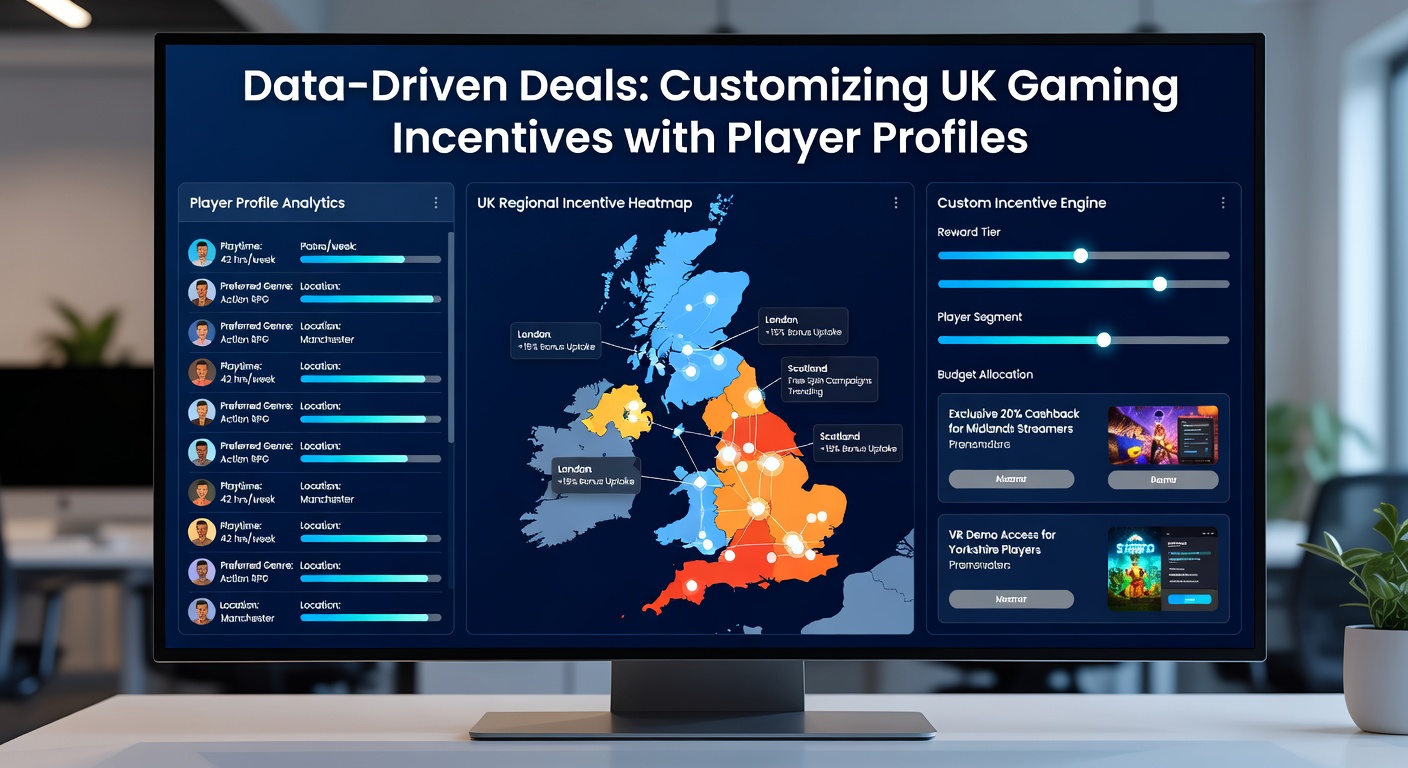
Now consider cross-vertical personalization; a profile blending slots and sports might unlock hybrid promos, like spin winnings convertible to free bets, creating seamless pathways that data confirms drive 25 percent higher cross-play rates according to industry benchmarks. And for mobile-first users, whose profiles flag app-exclusive sessions, operators roll out geo-fenced boosts, such as tournament entries during commutes, blending location data with play history for pinpoint accuracy.
Technology Powering the Personalization Engine
Artificial intelligence sits at the core, with neural networks sifting terabytes of anonymized data to generate propensity scores—predicting, for instance, a player's likelihood to redeem a no-deposit trial—while big data platforms like Hadoop integrate with CRM systems for real-time deployment. Blockchain elements emerge too, verifying profile integrity without exposing personal info, and natural language processing scans chat logs for sentiment, fine-tuning offers like VIP upgrades for positive-engagement clusters.
Turns out, this tech stack not only customizes but optimizes; A/B testing embedded in profiles pits variants against each other, with winners scaling platform-wide, as one case revealed a 40 percent uplift in redemption from emotion-aware cashback versus standard rebates. Observers point out how edge computing reduces latency, pushing notifications within seconds of behavioral triggers, like a mid-session dip signaling an instant reload perk.
Evidence from UK Platform Implementations
Figures from recent operator disclosures show tailored deals lifting average lifetime value by 18 percent; one platform, profiling 500,000 users, segmented them into 47 cohorts, resulting in spin cascade conversions doubling for mid-tier slots fans who previously ignored generic mails. Sportsbooks report similar wins, where data on accumulator failures spawned risk-free bet chains, reclaiming 22 percent of lapsed punters per analytics dashboards.
Yet challenges persist; data silos across verticals can fragment profiles, although integrations via APIs are bridging those gaps, and seasonal spikes—like Euro tournaments—demand adaptive models that rescale incentives on the fly. People who've analyzed these setups often discover that transparency in profiling builds trust, with opt-in rates climbing when platforms explain value, such as "Your football bets earned this custom acca boost."
Regulatory and Ethical Guardrails in Play
While UK platforms navigate data usage under established frameworks, global influences shape practices; for example, Australian Communications and Media Authority guidelines on behavioral targeting inform consent mechanisms, ensuring profiles exclude vulnerable indicators like rapid deposit escalations. Industry groups emphasize audit trails, with operators logging algorithmic decisions for review, preventing bias in incentive distribution across demographics.
That's where the rubber meets the road: ethical AI mandates regular audits, stripping profiles of sensitive health proxies, while federated learning allows model training without centralizing raw data. As of April 2026, enhanced interoperability standards are rolling out, standardizing profile portability so players carry tailored histories between licensed sites, amplifying customization without redundancy.
Future Trajectories and Emerging Trends
Looking ahead, quantum computing looms on the horizon, promising hyper-precise forecasts from complex datasets, and voice biometrics could enrich profiles with interaction styles, spawning audio-triggered offers during app queries. Metaverse integrations beckon too, profiling virtual avatars for immersive incentives like AR slot hunts tied to real bets.
But the reality is, April 2026 marks a pivot; platforms are deploying generative AI for narrative-driven promos—"Your profile says you're a blackjack ace; claim this dealer duel"—with early tests showing 35 percent engagement spikes. Researchers predict multimodal data fusion, blending wearables for stress-level nudges toward calmer games, all while federated regs ensure cross-border harmony.
Conclusion
Data-driven deals have transformed UK gaming incentives from scattershot blasts into precision tools, leveraging player profiles to deliver relevance across slots, sports, poker, and tables; this evolution, backed by robust analytics and ethical oversight, not only sustains engagement but redefines loyalty in a competitive arena. As profiles grow smarter and tech sharper—especially with April 2026's interoperability waves—operators who master this craft stand poised for sustained growth, while players reap the rewards of offers that truly fit. The ball's now in the industry's court to balance innovation with responsibility, ensuring data fuels fun without overreach.