Contribution Weightings and Their Role in Accelerating Advancement Through UK Gaming Loyalty Tiers
Bianca Ludwig · Jul 26, 2026
Contribution Weightings and Their Role in Accelerating Advancement Through UK Gaming Loyalty Tiers
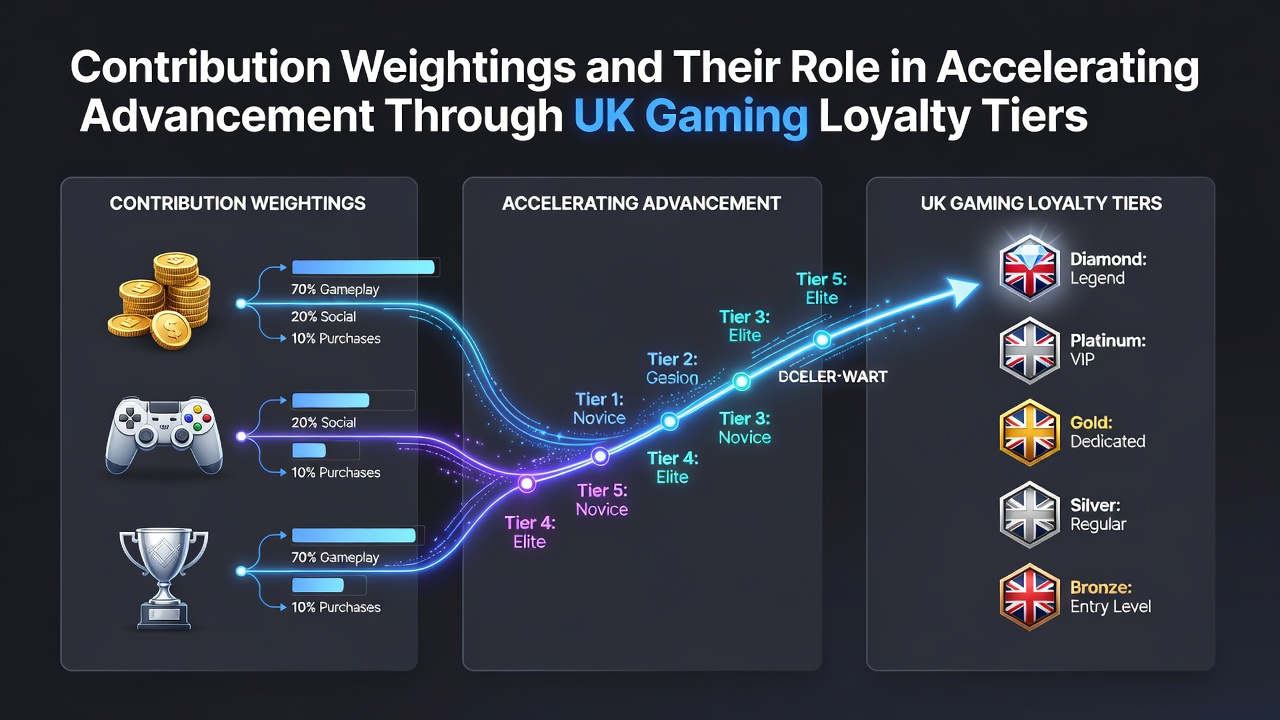
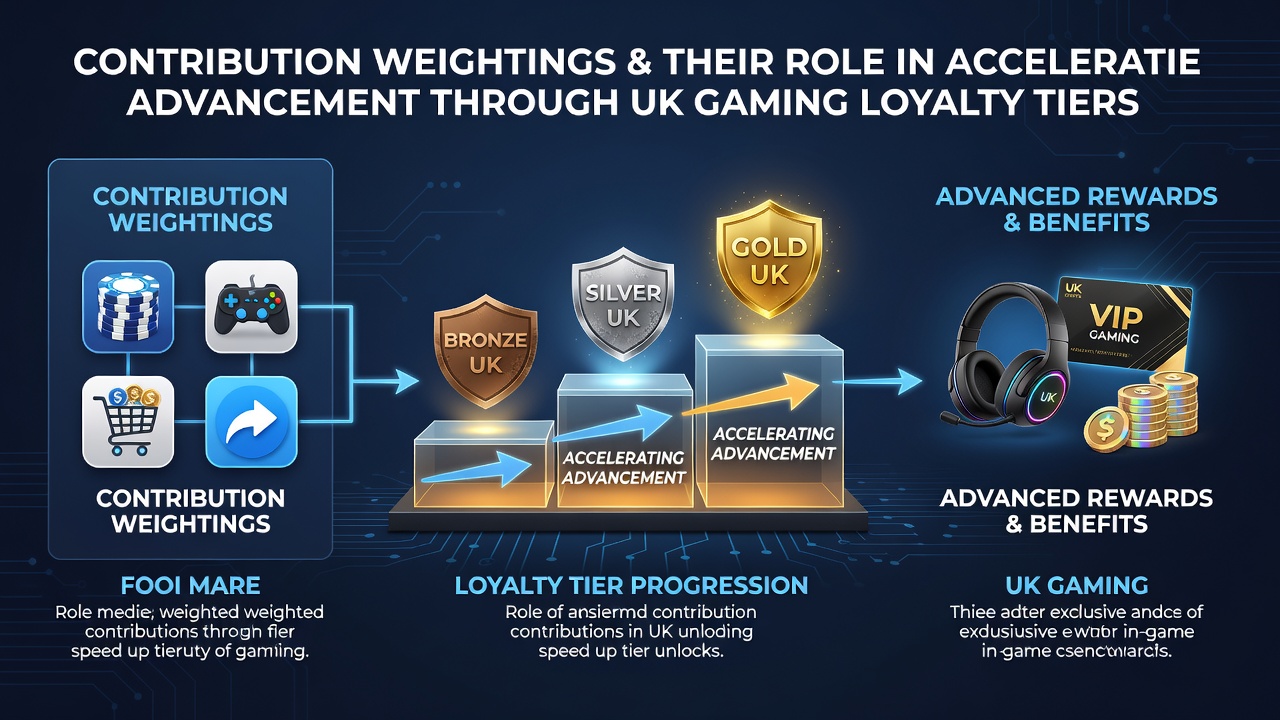
Contribution weightings determine how much each game type adds to loyalty point accumulation and wagering progress across UK gaming platforms, and these percentages shape the speed at which players move through tier structures. Operators assign different rates to slots, table games, live dealer options, sports betting, and poker rooms, which means players who understand the system can target activities that deliver higher returns on time invested.
Defining Contribution Weightings in Practice
Most UK sites calculate loyalty points based on a percentage of real money wagers, yet the actual contribution varies by category because slots often receive full 100% weighting while blackjack, roulette, and baccarat sit between 10% and 50%. Sports betting and poker hands frequently fall into a separate band that ranges from 20% to 80%, and these differences create clear pathways for faster tier climbs when players align their activity with the highest-weighted options available.
According to industry data compiled by the Responsible Gambling Council, weighting systems across regulated markets show consistent patterns where high-volatility slots accelerate point totals more rapidly than low-edge table games. This structure rewards volume in specific verticals rather than uniform spending across all products.
Loyalty Tier Mechanics and Point Accumulation
UK loyalty programs typically operate on monthly or quarterly reset cycles, with entry-level tiers requiring modest point thresholds that increase sharply at mid and upper levels. Contribution weightings directly influence how quickly a player crosses those thresholds because a £100 wager on a 100% weighted slot generates the full point value, whereas the same amount on a 20% weighted blackjack table produces only one-fifth of the progress.
Observers note that players who monitor these rates often shift between game types as they approach tier boundaries, and this tactical adjustment becomes especially relevant during promotional windows when bonus points or multipliers apply. Data from platform analytics indicates that July 2026 saw several operators introduce temporary weighting boosts on select mobile slots, which temporarily altered advancement speeds for participants who timed their sessions accordingly.
Strategic Application Across Game Categories
Those who study contribution tables before committing funds discover that certain live casino variants carry higher weightings than their RNG counterparts, while sports accumulators sometimes receive elevated rates during specific leagues or events. Poker cash games and tournaments occupy another tier of weighting that rewards rake generated rather than total hands played, which creates distinct advancement routes for different player profiles.
Research from the Australian Gambling Research Centre shows that players who concentrate activity on fully weighted categories reach upper tiers in fewer sessions than those who spread wagers evenly. This pattern holds across multiple jurisdictions because the underlying mathematics remains consistent regardless of regulatory framework.
Platform Variations and July 2026 Updates
Operators adjust weighting schedules periodically, and July 2026 brought several documented changes where certain sites increased table game contributions from 20% to 35% while simultaneously lowering select slot categories to 80%. These recalibrations affect the optimal path through loyalty structures and require players to review updated terms rather than rely on prior season data.
Take one account holder who noticed a platform shift in live roulette weighting and adjusted session length accordingly, which resulted in crossing into the next tier three weeks earlier than projected under the old system. Similar adjustments appear regularly when new game launches or seasonal promotions alter the contribution landscape.
Measuring Advancement Speed in Real Terms
Point-per-pound ratios vary widely once weightings apply, and tracking personal progress against these ratios reveals the actual cost in time and spend required for each tier jump. Platforms that publish transparent contribution tables allow for precise forecasting, whereas those that obscure the data force players to calculate averages from multiple sessions before patterns emerge.
Figures reveal that a player targeting a mid-tier threshold of 5,000 points can achieve the goal in roughly half the wagers when using 100% weighted slots versus a mixed portfolio that includes 30% weighted sports bets. This efficiency gap widens at higher tiers where point requirements scale exponentially.
Conclusion
Contribution weightings function as the hidden multiplier within UK gaming loyalty systems, and players who map these percentages against their preferred activities gain measurable advantages in tier progression timelines. Regular review of operator updates remains necessary because schedules shift throughout the year, and the most current data always determines the fastest route from entry-level status to premium benefits.