Contribution Rate Dynamics in UK Gaming Bonuses: How Different Game Types Affect Wagering Requirements from Slots to Sports Bets
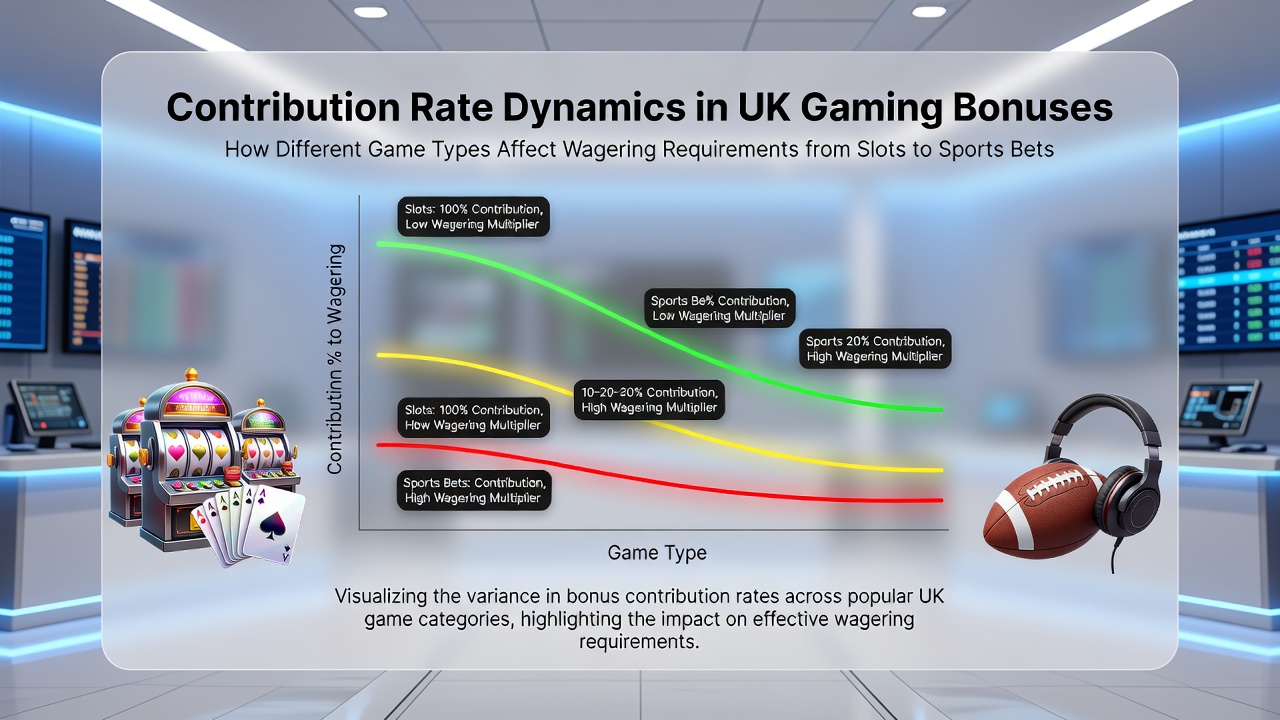
Contribution rates determine how much each wager counts toward clearing bonus requirements, and operators apply these percentages differently across game categories to balance player activity with promotional costs. Slots typically receive full 100 percent contribution because they generate consistent revenue through high volume play, whereas sports bets often sit at 50 to 100 percent depending on the market and event type.
Table games such as blackjack and roulette receive lower rates that range from 10 to 20 percent in most UK platforms, a structure that reflects the lower house edge and slower pace compared with reel-based titles. Live dealer variants follow similar patterns because they share mechanics with their digital counterparts yet introduce additional operational overhead that platforms must offset through adjusted contribution formulas.
Slots and Their Dominant Role in Wagering Calculations
Slots dominate bonus clearing activity because nearly every operator assigns them the maximum contribution percentage, allowing players to progress through wagering targets at the full stake value. Data from the Australian Gambling Research Centre shows that slot contribution rates have remained stable at 100 percent across the majority of reviewed promotions between 2024 and 2026, even as game libraries expanded with new mechanics and volatility levels.
Progressive jackpot slots sometimes carry reduced rates around 80 to 90 percent when linked to external networks, yet these adjustments rarely extend to standard video slots that form the backbone of daily bonus activity. Players who focus exclusively on high-contribution slots complete requirements faster than those who mix game types, although operators monitor session patterns to prevent excessive concentration on single titles.
Sports Betting Contribution Patterns
Sports bets contribute at variable rates that depend on the sport, market odds, and whether the wager involves pre-match or in-play selections. Accumulator bets and same-game multis often receive full 100 percent contribution because they increase overall stake volume, while single bets on low-margin events such as major football matches may drop to 50 percent. These tiered structures encourage broader engagement across multiple events rather than repeated placement on favoured outcomes.
July 2026 data collected from major European operators indicates that cricket and tennis markets now receive contribution rates comparable to football because both categories attract steady volume during summer tournaments. Cash-out features introduce further complexity since partial settlements count only the original stake portion toward requirements, prompting platforms to publish explicit rules that separate settled and unsettled portions.
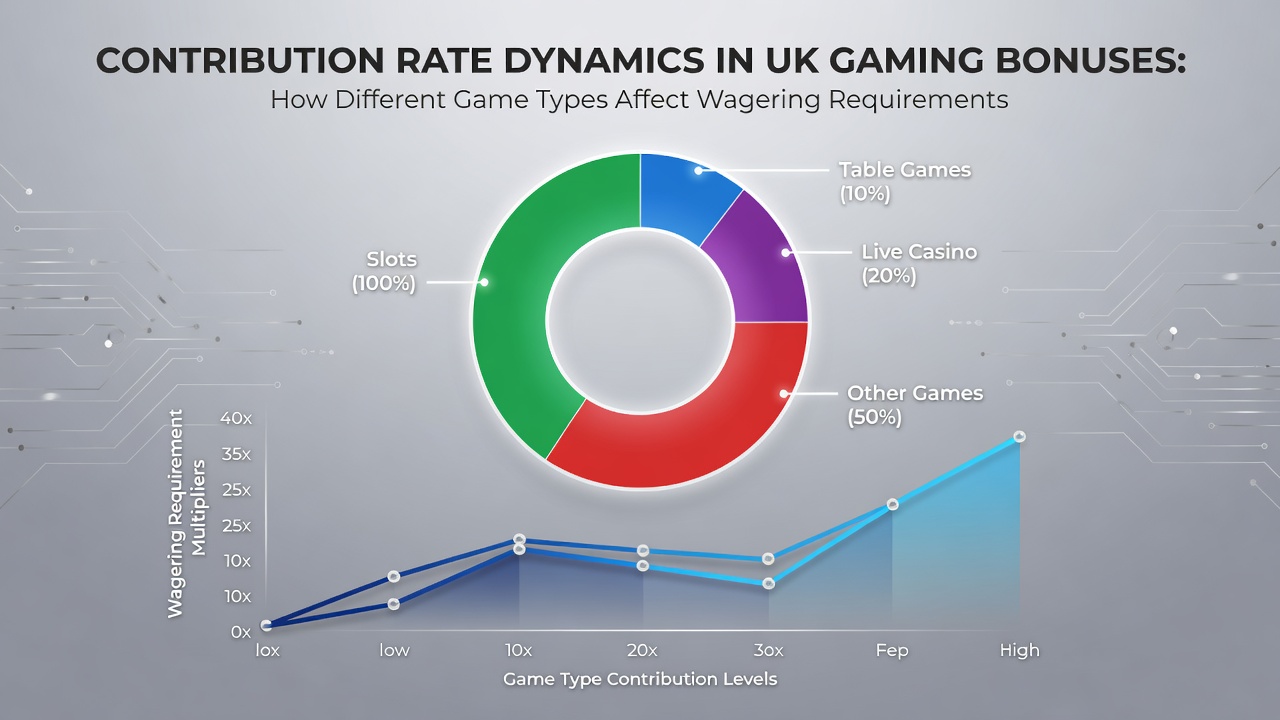
Table Games, Poker, and Reduced Contribution Rates
Poker and table games receive the lowest contribution percentages because their skill elements and slower decision cycles produce lower turnover relative to slots. Observers note that standard blackjack tables usually contribute at 10 percent while video poker variants may reach 20 percent when autoplay functions are disabled. These caps prevent players from clearing large bonuses through low-volatility table play alone, thereby protecting promotional budgets.
Multi-hand poker formats sometimes receive boosted rates up to 25 percent during limited-time campaigns, yet the adjustment remains temporary and reverts once the promotion ends. Researchers at the University of Nevada Gaming Lab documented similar patterns in North American markets where contribution caps on table games correlated with longer average bonus completion times across sampled player cohorts.
Cross-Game Interactions and Platform Adjustments
Operators adjust contribution rates seasonally to steer activity toward underutilised verticals, and these changes appear most frequently ahead of major sporting calendars or new game releases. A player who begins with slots and later shifts to sports accumulators may notice that the remaining wagering requirement recalculates according to the new game category rather than retaining the original slot-based pace.
Some platforms apply weighted contribution when bets span multiple categories within a single session, averaging the percentages across the total stake. This method maintains fairness while discouraging deliberate selection of only the highest-contributing options, and it aligns with broader industry efforts to diversify player behaviour across verticals.
Conclusion
Contribution rate structures continue to evolve as operators refine their promotional offerings to balance player retention with financial sustainability. Slots maintain their position as the primary vehicle for rapid wagering completion while sports bets and table games operate under more restrictive percentages that reflect risk and revenue profiles. Those who examine the published terms across multiple platforms gain clearer insight into how different game types shape the actual cost of clearing any given bonus, particularly as market conditions shift through 2026 and beyond.