Britain's Networked Incentive Systems Linking Casual Play to Premium Gaming Experiences
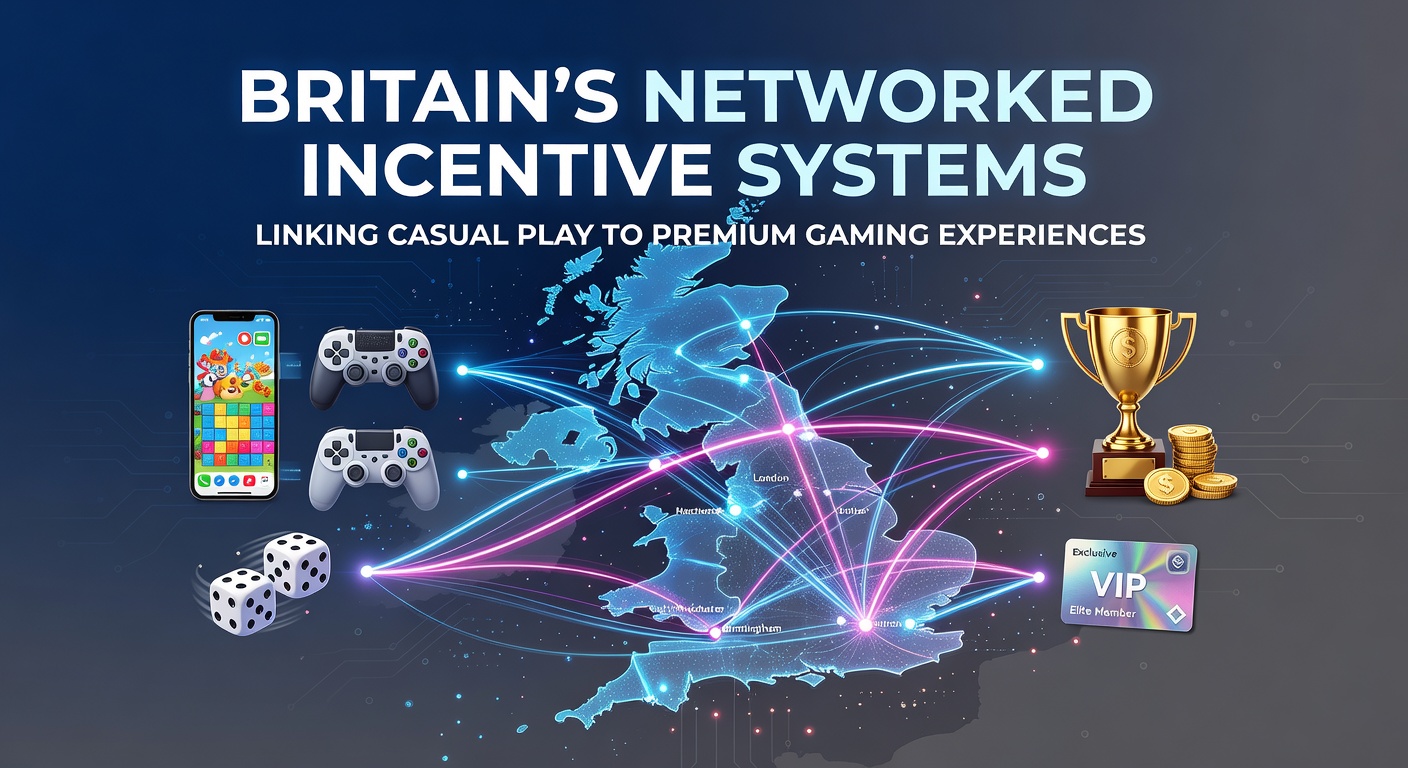
Networked incentive systems in Britain create structured pathways that connect everyday gaming sessions with access to higher-tier experiences, and observers note these frameworks rely on integrated loyalty mechanics across multiple game types. Data indicates that players who begin with casual slots or sports wagers accumulate points or progress markers that gradually open doors to premium tables, exclusive events, and elevated reward tiers. According to reports from the Responsible Gambling Council, such systems have expanded steadily through 2025 into 2026 as operators refine cross-platform tracking tools that monitor activity from initial sign-ups onward.
Core Components of the Networked Approach
These systems operate through layered progress structures where participation in lower-stakes environments feeds directly into eligibility for advanced features. Researchers have observed that points earned from standard roulette sessions or accumulator bets often convert into credits usable at live dealer environments or high-limit poker rooms, and this conversion happens automatically once predefined thresholds are met. Figures reveal that British operators deploy unified account dashboards allowing users to view accumulated progress across casino floors, sportsbook markets, and card rooms without switching platforms, which streamlines the transition from casual to premium play.
What's interesting is how seasonal adjustments influence these networks, particularly around May 2026 when several major sites introduced refreshed milestone trackers tied to upcoming international tournaments. Those who've studied player behavior patterns report that May updates often emphasize extended windows for point collection from everyday bets, directing accumulated value toward live-streamed events and VIP seating options scheduled for summer months.
Progression Pathways Across Game Verticals
Take one typical journey where an individual starts with free-to-play style slots or low-stake football predictions and builds toward invitation-only blackjack variants or exclusive esports betting lobbies. Evidence suggests these transitions occur through cumulative activity metrics rather than isolated promotions, allowing steady advancement without abrupt resets at each stage. Industry data shows that mid-level unlocks frequently include enhanced multiplier applications on winnings from casual rounds that then carry forward when players move into premium formats.
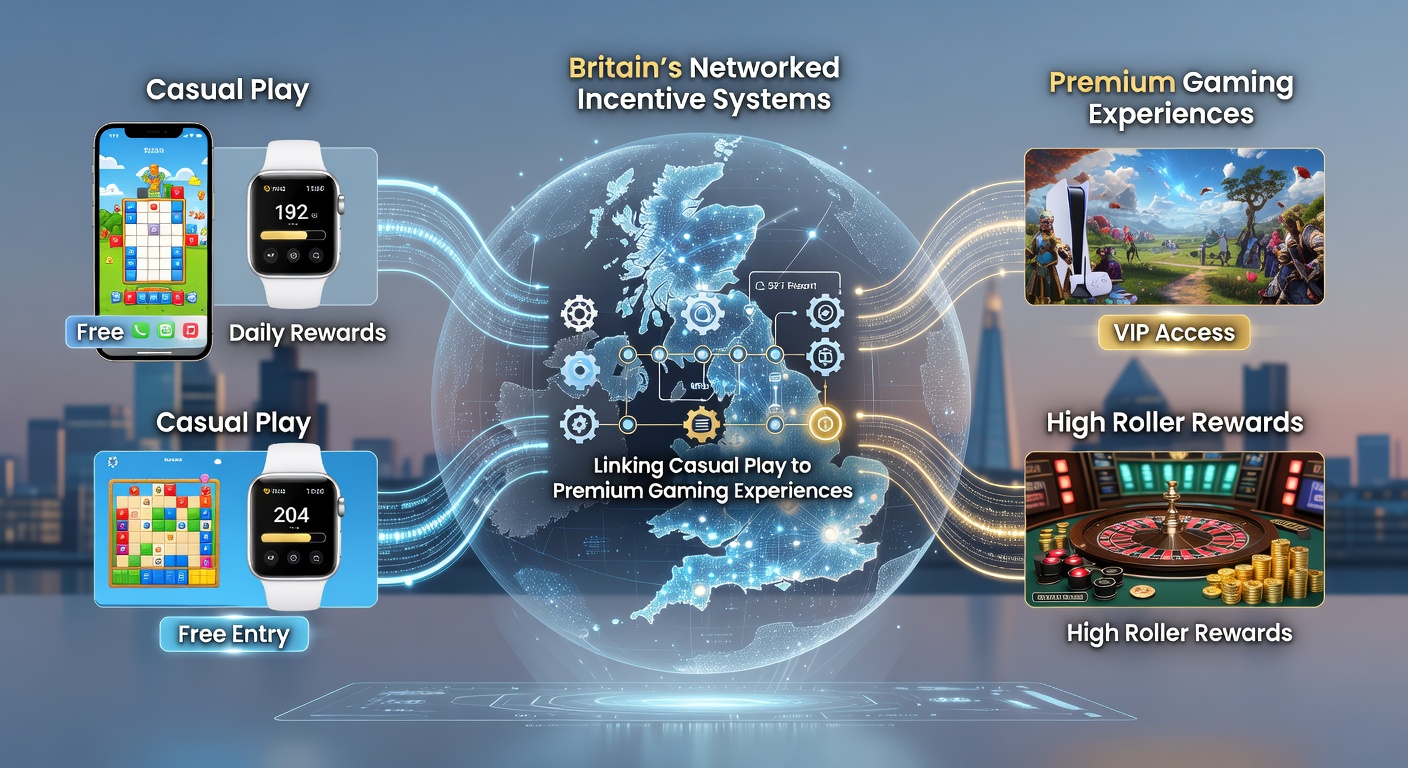
Observers note that integration between verticals creates feedback loops where time spent in one area accelerates rewards in another. For instance, consistent participation in table game leaderboards can boost deposit match percentages available for upcoming sports fixtures, while poker hand histories contribute to loyalty multipliers redeemable at live casino sessions. This interconnected design ensures that activity in any single segment contributes to overall standing within the broader ecosystem.
Current Landscape in May 2026
During May 2026, British platforms have rolled out enhanced analytics dashboards that highlight projected timelines for reaching premium access based on recent play volume. Data from industry tracking indicates these tools help users visualize how continued engagement with standard offerings builds eligibility for private tournaments and dedicated account managers. Researchers discovered that such transparency features correlate with longer session durations across both casual and premium sections, though regulatory frameworks continue to require clear disclosure of all progression rules.
Yet the reality remains that these networks function within strict responsible gaming parameters, with automated reminders appearing once activity markers approach certain limits. Experts have observed that May 2026 implementations place additional emphasis on optional cooling-off prompts that appear during transitions between casual and high-stakes environments.
Supporting Research and Broader Context
Studies from Gambling Research Australia demonstrate parallels between networked incentive models used in Britain and those trialed in other regulated markets, where point portability across game types increases retention metrics over isolated bonus structures. Additional findings from academic reviews at institutions such as the University of Sydney highlight that players who engage with integrated systems tend to explore more game categories than those limited to single-vertical rewards.
The ball is in the operators' court when it comes to maintaining balance between engagement features and player protection standards, and evidence continues to accumulate on how these networks evolve with technological upgrades. It's noteworthy that cross-border comparisons show Britain maintaining tighter integration timelines compared to some North American jurisdictions where regulatory approval processes extend rollout periods.
Conclusion
Britain's networked incentive systems continue to link casual entry points with premium destinations through measurable progress mechanics that span multiple gaming categories. As May 2026 developments demonstrate ongoing refinements to tracking and disclosure tools, the overall structure remains focused on sustained activity conversion rather than standalone offers. Continued monitoring by independent bodies will shape how these frameworks adapt to emerging player patterns and technological capabilities in the months ahead.