Britain's Integrated Gaming Ecosystems: How Player Data Shapes Sequential Reward Pathways Across Slots, Wagers, Tables, and Mobile Interfaces
 Player data collection forms the backbone of Britain's integrated gaming systems, where operators track activity across slots, sports wagers, table games, and mobile apps to build sequential reward structures. These systems compile details on session length, bet sizes, game preferences, and device usage, then feed that information into algorithms that determine what incentives appear next for each individual. Data starts flowing from the moment someone registers on a mobile interface, where location, time of day, and initial game selections get recorded immediately. Operators use this early information to route players toward specific reward pathways, such as free spin offers on slots that match early engagement patterns. As activity continues, the same datasets expand to include performance on table games like blackjack or roulette, creating layered profiles that guide progression from basic promotions to more complex cross-vertical incentives. Sequential pathways operate through automated triggers that activate based on cumulative behavior. Someone who begins with mobile slots might receive wagers-related bonuses after reaching certain thresholds, while data on table game frequency could unlock poker room credits or live dealer invitations. These transitions rely on real-time analysis rather than static rules, allowing platforms to adjust offers as habits evolve over days or weeks. Research from the Australian Gambling Research Centre indicates that integrated tracking systems increase retention rates by aligning rewards with demonstrated preferences across multiple game types. In Britain this approach extends to mobile-first designs, where app usage metrics influence everything from notification timing to the sequence of available perks.
Data Integration Across Gaming Verticals
Slots generate high volumes of spin-level data that reveal volatility tolerance and session pacing, while wagers on sports events add layers around event selection and stake progression. Table games contribute metrics on decision speed and risk exposure during hands, and mobile interfaces capture swipe patterns along with session interruptions that signal engagement levels. Combined these sources create unified player journeys that operators map into reward sequences designed to maintain momentum across categories.
Observers note that June 2026 marks continued refinement in these ecosystems as platforms incorporate additional device sensors and behavioral signals. Mobile apps now pull data from background activity such as time spent reviewing game rules or exploring lobby sections, which then informs which sequential offers surface first. This creates pathways that feel responsive rather than generic, moving players from introductory slots experiences toward higher-engagement table sessions or sports wagers based on accumulated patterns.Sequential Reward Mechanisms in Practice
One documented approach involves starting players on no-deposit mobile trials that feed directly into slots contributions, after which data thresholds unlock wager bonuses or table game credits. Algorithms evaluate completion rates and adjust the next tier accordingly, creating domino-style progressions where each stage references prior activity. Figures from industry reports show that platforms employing these linked systems see measurable shifts in how users distribute time across verticals.
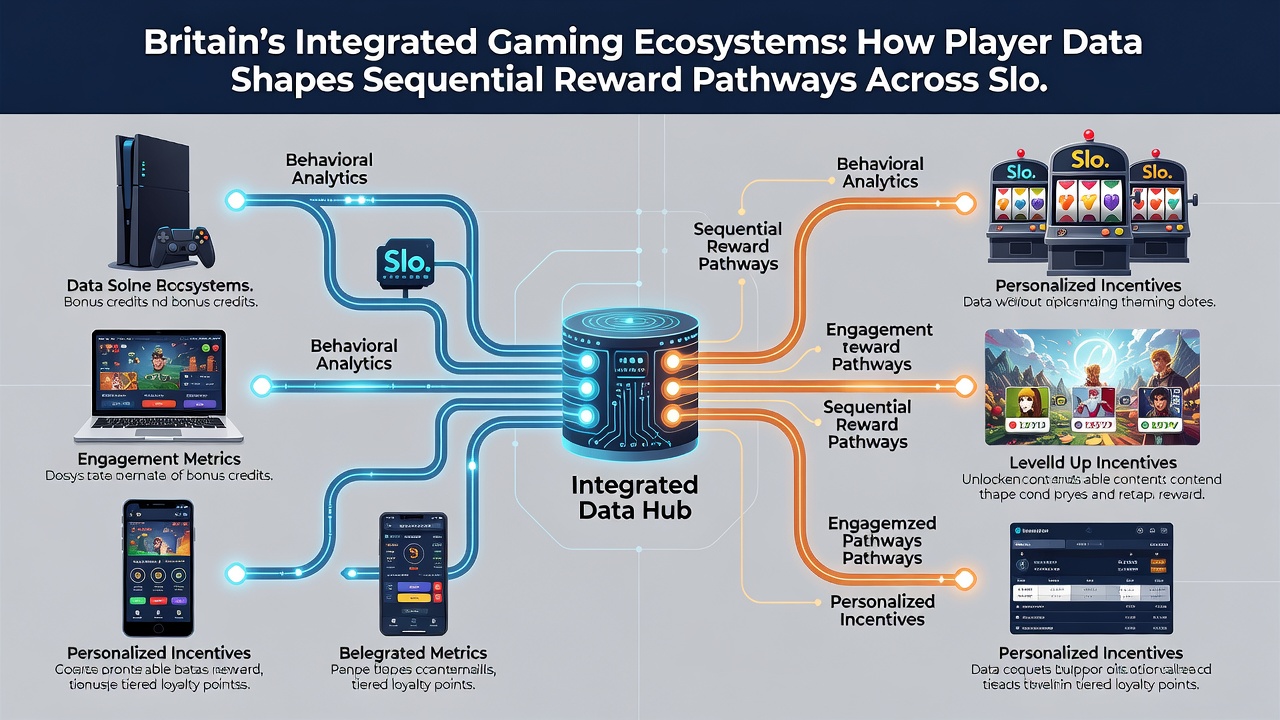 What's interesting is how mobile interfaces serve as the central hub for these pathways. App notifications and in-game prompts deliver the next reward based on cross-platform history, ensuring that time spent on slots can accelerate access to poker tables or live dealer rooms. Data on failed attempts or abandoned sessions also factors in, sometimes triggering recovery offers that redirect attention toward underused verticals.
Regulatory and Technical Considerations
Technical infrastructure supporting these ecosystems includes centralized databases that merge information from disparate game servers while maintaining separation for compliance purposes. External links to academic sources such as those hosted by the National Center for Responsible Gaming highlight how player tracking technologies balance personalization with oversight requirements in various jurisdictions. British operators apply similar frameworks to sequence rewards without violating data handling standards.
June 2026 continues to see emphasis on transparent data usage statements that accompany these integrated systems, with platforms publishing summaries of how activity metrics translate into specific reward sequences. This transparency allows players to understand why certain offers appear after slots sessions versus table game play.